loader image
Skip to main content

Himalayan Outdoor Project

Tilicho Expedition

The Technical Jewel of the Annapurna Massif

Peak icon
Peak Mt Tilicho
Elevation icon
Elevation 7,134m / 23,406ft
Region icon
Region Manang District, Nepal
Route icon
Route Northwest Shoulder
Expedition Duration icon
Co-ordinates 28°41'04"N 83°48'16"E
Group Size icon
Weather Reports Live Weather Report
Expedition Grade icon
Walking Per Day 4 – 7 Hours
Highest Camp icon
Highest Camp Camp III 4,150mm
Accommodation icon
Accommodation Hotel | Lodge | Tent
Best Season icon
Best Season Spring (Mar – May) | Autumn (Sept – Nov)
Oxygen Support icon
Oxygen Support Supplemental oxygen above high camps

The Steep Ascent: Where Ice, Rock and the World's Highest Lake Converge

TRIP HIGHLIGHTS

EXPEDITION OVERVIEW

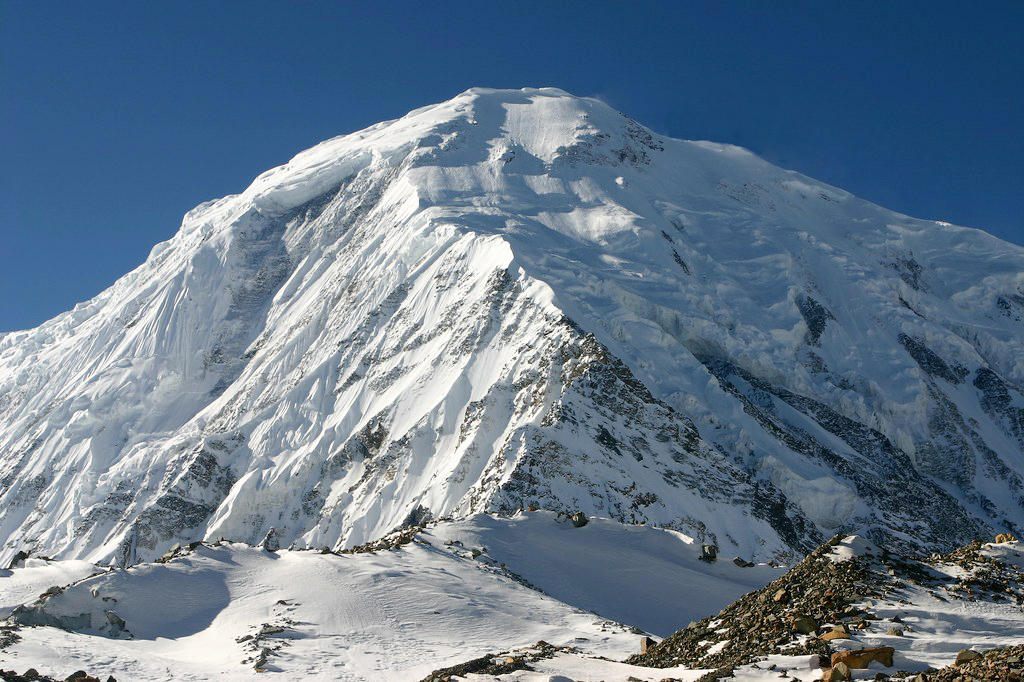
Tilicho Peak, the 21st highest mountain in the world at 7,134 metres, stands in the Annapurna Massif of north‑central Nepal. Known as the “Technical Jewel of the Annapurna,” Tilicho offers a challenging yet rewarding climb for mountaineers seeking a technical 7,000‑metre peak. The peak was first seen by Europeans in 1950 by Maurice Herzog’s French Annapurna expedition. The first ascent was made in 1978 by French climber Emanuel Schmutz via the northwest shoulder. In 1982, a winter ascent was made by Ang Serky, Dawa Gyalzen and Serky Tshering believed to be the first all‑Sherpa mountaineering expedition.


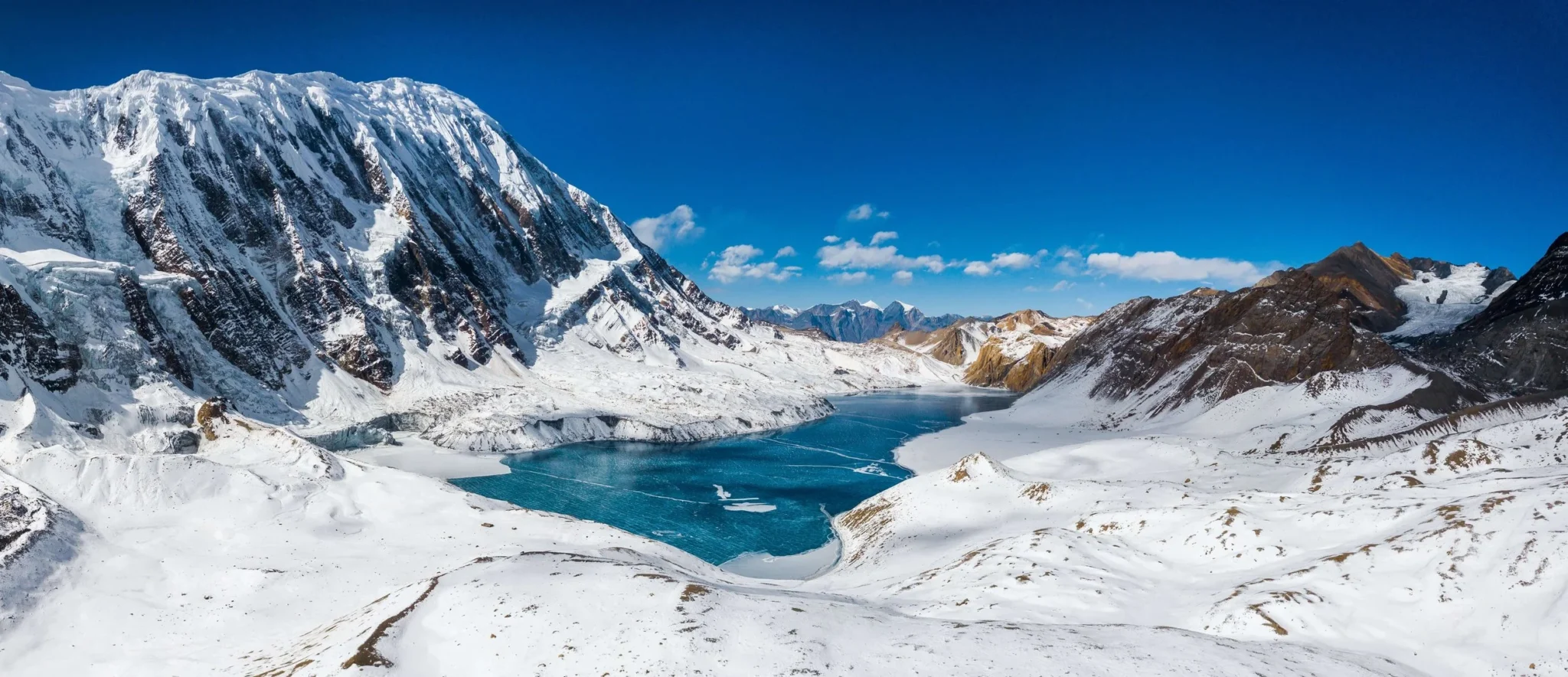
The journey begins on the legendary Annapurna Circuit. For over a week, you trek through a landscape that transforms from subtropical forests to high‑altitude deserts. You share trails with trekkers bound for Thorong‑La, but your path diverges at Manang. Leaving the crowds behind, you ascend towards the turquoise shimmer of Tilicho Lake, the highest lake on Earth at 4,919 metres. Its serene beauty belies the technical challenge that awaits on the peak towering above its northern shore.


Then, the real climbing begins. From a base camp set beside this glacial jewel, the Northwest Shoulder rises in a series of steep, demanding pitches. The route involves 50‑60 degree snowfields, vertical ice sections approaching 90 degrees, and exposed ridges that demand respect. For over two weeks, you and your Sherpa team will establish three high camps, fix ropes, and push your physical and mental limits on one of Nepal’s most technical 7,000‑metre peaks.


The Tilicho Expedition is not merely about reaching a summit; it is about testing the limits of human endurance and experiencing the profound beauty of the Annapurna Himalaya. It is a once‑in‑a‑lifetime journey that demands exceptional preparation but offers rewards that last forever.

Here is brief information regarding the expedition, including dates, duration, pricing and more.
  1. MONTH

    April - May | September - November
  2. GROUP SIZE

    4 - 14 adventurers
  3. DURATION

    Expedition duration is 30 days
  4. TRANSPORTATION

    We will be travelling via private transportation
  5. DIFFICULTY

    The level will be moderate

Itinerary

  • Day 1

    Arrival in Kathmandu (1,350m) & Transfer to Hotel

  • Day 2

    Sightseeing, Expedition Briefing & Official Preparations

  • Day 3

    Drive from Kathmandu to Besisahar (800m) & Trek to Khudi (790m)

  • Day 4

    Trek from Khudi to Bahundanda (1,310m)

  • Day 5

    Trek from Bahundanda to Chamje (1,430m)

  • Day 6

    Trek from Chamje to Dharapani (1,860m)

  • Day 7

    Trek from Dharapani to Chame (2,670m)

  • Day 8

    Trek from Chame to Pisang (3,300m)

  • Day 9

    Trek from Pisang to Manang (3,540m)

  • Day 10

    Acclimatization & Rest Day at Manang

  • Day 11

    Trek from Manang to Khangsar (3,700m)

  • Day 12

    Trek from Khangsar to Tilicho Base Camp (4,150m)

  • Day 13 - 24

    Climbing Period: Establish High Camps & Summit Push (7,134m)

  • Day 25

    Trek from Base Camp to Khangsar (3,700m)

  • Day 26

    Trek from Khangsar to Thorong Phedi (4,450m)

  • Day 27

    Cross Thorong-La Pass (5,416m) & Trek to Muktinath (3,800m)

  • Day 28

    Trek from Muktinath to Jomsom (2,710m)

  • Day 29

    Flight from Jomsom to Pokhara to Kathmandu & Farewell Dinner

  • Day 30

    Final Departure: Transfer to International Airport

THE HOP DIFFERENCE

Special Forces Leadership. Veteran Sherpa Experience. One Team. One Mission. One Summit.

At Himalayan Outdoor Project, every expedition is approached as a mission. Founder and Expedition Planner Ex. Special Forces Maj. Rajiv Chand served for more than twenty years in the Nepali Army Special Forces, leading teams in complex and demanding environments where preparation, leadership, teamwork and risk management determined success.

That same philosophy now guides every HOP expedition.

Our expeditions combine:

  • The leadership, planning, discipline and risk‑management systems of Special Forces operations with

  • The mountain wisdom, resilience and experience of Nepal’s most accomplished climbing Sherpas

This combination creates an expedition environment built on trust, professionalism, teamwork and safety essential ingredients for the immense physical and mental challenge of climbing a technical 7,000‑metre peak.

OUR EXPEDITION PHILOSOPHY

PLAN. PREPARE. EXECUTE. RETURN SAFELY.

Successful Tilicho expeditions begin long before arriving at Base Camp and they end only when every climber is safely home.


PLAN

Every detail matters – Route | Logistics | Weather | Equipment | Contingencies | Emergency response. Nothing is left to chance. The technical demands of the Northwest Shoulder, with its 50‑60 degree snowfields and vertical ice sections, require precise planning and route management.


PREPARE

Preparation creates confidence. Every climber receives guidance on: Physical training | Technical skills | Expedition systems | Equipment selection | Nutrition and hydration | Mental preparation for the 7,000‑metre challenge.


EXECUTE

In the mountains conditions constantly change. Our team adapts, communicates and makes informed decisions based on: Weather | Route conditions | Team health | Individual performance | Safety considerations.


RETURN SAFELY

The summit is only halfway. Our objective is simple: Bring every climber home safely. Safety First. Summit Second.

HOP TILICHO PREPARATION PROGRAM

Most expeditions start in Kathmandu. Ours starts months before.


Physical Preparation

Develop the endurance, strength, and resilience required for thirty‑five days in the Himalayas and the demands of a technical 7,000‑metre summit.


Technical Preparation

Build confidence in fixed rope travel, ascender systems, crampon techniques, ladder crossing, glacier travel, and ice axe skills. Tilicho’s Northwest Shoulder requires proficiency on steep snow and ice sections up to 90 degrees.


Mental Preparation

Manage fatigue, uncertainty, fear, stress, team dynamics, and the psychological demands of high‑altitude climbing on exposed ridges.

Equipment Preparation

Our team provides detailed equipment consultation and gear recommendations. Final equipment checks are conducted in Kathmandu.

VETERAN SHERPA TEAM

Our climbing Sherpas are not simply support staff.

They are expedition partners. | Mentors. | Teachers. | Leaders.


Many members of our Sherpa team have extensive experience on 7,000‑metre and 8,000‑metre peaks, including Tilicho. Their knowledge of the mountain, weather, terrain, and high‑altitude decision‑making is invaluable. Experience matters.


That is why we work only with highly experienced, government‑certified climbing Sherpas who share our commitment to professionalism and safety.

WHO IS THIS EXPEDITION FOR?

This expedition is designed for climbers who:

✓ Have previous high‑altitude experience
✓ Have climbed at least one technical peak above 6,000m
✓ Possess excellent physical fitness
✓ Have experience using fixed ropes
✓ Are comfortable in expedition environments
✓ Understand teamwork and expedition commitment
✓ Possess the patience and resilience for a 35‑day expedition
✓ Are prepared for the technical challenges of a 7,000‑metre peak

RECOMMENDED EXPERIENCE

Recommended Experience

  • Previous 6,000m+ climbing experience is strongly recommended

  • Glacier travel experience

  • Fixed rope experience

  • Crampon and ice axe skills

  • Strong endurance background

  • Recommended training period: Minimum 12 months

ACCLIMATIZATION STRATEGY

Proper acclimatisation is one of the most important factors in successful Himalayan expeditions.


Our strategy includes:
✓ Gradual ascent through the Annapurna Circuit
✓ Active acclimatisation hikes in Manang
✓ Multiple acclimatisation rotations – Base Camp, Camp I, Camp II, Camp III
✓ Planned recovery periods
✓ Continuous health monitoring


Every climber acclimatises differently. The itinerary remains flexible to maximise safety and success.

BASE CAMP LIFE

Tilicho Base Camp (4,800m), nestled at the northwest end of Tilicho Lake, becomes home for several weeks.

Facilities include:
✓ Comfortable expedition tents
✓ Dining tent
✓ Kitchen tent
✓ Communication facilities
✓ Charging facilities
✓ Daily weather updates
✓ Team meetings and briefings
✓ Hygienic meals
✓ Rest and recovery facilities
✓ Medical support
✓ Traditional Puja ceremony for good luck and safe passage

SAFETY & RISK MANAGEMENT

Safety is the foundation of every HOP expedition.

Our safety systems include:
✓ Experienced expedition leadership
✓ Veteran climbing Sherpas
✓ High Sherpa‑to‑climber ratio
✓ Daily health monitoring
✓ Supplemental oxygen systems
✓ Satellite communication
✓ Comprehensive medical kits
✓ Professional weather forecasting
✓ Emergency evacuation coordination
✓ Established contingency plans

COST INCLUDES

Permits & Logistics

  • Tilicho Peak Expedition Permit

  • Annapurna Conservation Area Permit (ACAP)

  • Manang Rural Municipality Permit

  • Garbage deposit

  • Expedition royalties and government taxes

Accommodation & Meals

  • Kathmandu hotel accommodation

  • Tea house accommodation during trek

  • Full board meals during trek and expedition

  • Base Camp accommodation

Transportation

  • Airport transfers

  • Private vehicle (Kathmandu – Besisahar – Kathmandu)

  • Expedition cargo transportation

Expedition Support

  • Expedition leader (Tashi Chhumbel Sherpa)

  • Veteran climbing Sherpas

  • Base Camp staff

  • Porters

  • Route fixing charges

  • Group climbing equipment

Training & Additional

  • Technical and ladder training

  • Expedition briefings

  • Welcome and farewell dinners

  • HOP expedition merchandise

  • Expedition certificate

COST EXCLUDES

  • International flights

  • Nepal visa fee

  • Personal climbing equipment

  • Personal travel insurance

  • Emergency evacuation insurance

  • Personal expenses

  • Lunch and dinner in Kathmandu

  • Alcoholic beverages

  • Personal tips

  • Additional accommodation due to delays

  • Costs arising beyond our control

MANDATORY INSURANCE

Comprehensive travel and high‑altitude rescue insurance is mandatory.

Coverage must include:
✓ High‑altitude helicopter rescue
✓ Medical treatment
✓ Emergency evacuation
✓ Repatriation

IMPORTANT NOTE

Climbing Tilicho Peak is a serious technical undertaking. Weather, route conditions, and health issues may require itinerary changes. Flexibility, patience, resilience, and teamwork are essential.


Tilicho involves technical sections including 50‑60 degree snowfields, vertical ice approaching 90 degrees and exposed ridges. Climbers must be proficient with fixed ropes, crampons, and ice axes.


Our mission is simple:

Professionally Planned. | Thoroughly Prepared. | Safely Executed.


HIMALAYAN OUTDOOR PROJECT

Education | Experience | Excellence | Expertise

FAQs

I've never climbed a mountain before. Can I join a summit expedition?
  • Yes.
  • Several Himalayan peaks are suitable for first-time climbers who have good fitness and a willingness to learn.
  • Our guides provide instruction, support, and mentoring throughout the expedition.
  • For many guests, a HOP summit expedition becomes the beginning of a lifelong passion for mountaineering.
What is the difference between trekking and climbing?
  • Trekking follows established mountain trails and does not require technical climbing equipment.
  • Climbing involves ascending a mountain summit and may require equipment such as crampons, harnesses, helmets, ropes, and ice axes.
  • Climbing expeditions demand greater preparation, but they also offer one of the most rewarding achievements in mountain travel.
How physically demanding are summit expeditions?
  • Summit expeditions require a higher level of fitness than trekking.
  • You should be comfortable hiking for multiple days, handling steep terrain, and maintaining consistent effort at altitude.
  • Our team provides detailed preparation advice before every expedition to help you arrive ready and confident.
Do I need technical climbing experience?
  • Not always.
  • Many trekking peaks in Nepal are specifically designed for climbers who are new to mountaineering.
  • Our guides teach the skills you’ll need during the expedition and ensure you’re comfortable using equipment before summit day.
  • More advanced peaks require previous climbing experience, and we’ll always advise honestly on what is appropriate for your ability level.
What happens if weather prevents a summit attempt?
  • Mountain weather always has the final say.
  • If conditions become unsafe, our guides may postpone, modify, or cancel a summit attempt.
  • While reaching the summit is the objective, returning safely is the true measure of a successful expedition.
  • This commitment to safety is one of the reasons travelers trust HOP.
Why choose Nepal for your first summit?
  • Nepal is home to some of the world’s best introductory climbing peaks.
  • Combined with experienced guides, breathtaking Himalayan scenery and a rich mountaineering heritage, there is no better place to begin your climbing journey.
  • Standing on your first Himalayan summit is an experience you’ll never forget.