loader image

Himalayan Outdoor Project

THE TASTE OF NEPAL

THE TASTE OF NEPAL

21 Days of Mountains, Rivers & Wild Jungles

 21‑Day Multi‑Activity Expedition
Trek. Raft. Safari. The complete Himalayan experience.

Over three unforgettable weeks, this expedition leads you from the high peaks of Langtang to the raging whitewater of the Kali Gandaki and finally into the humid jungles of Chitwan. No rushed transfers. No tourist crowds. Just full immersion.

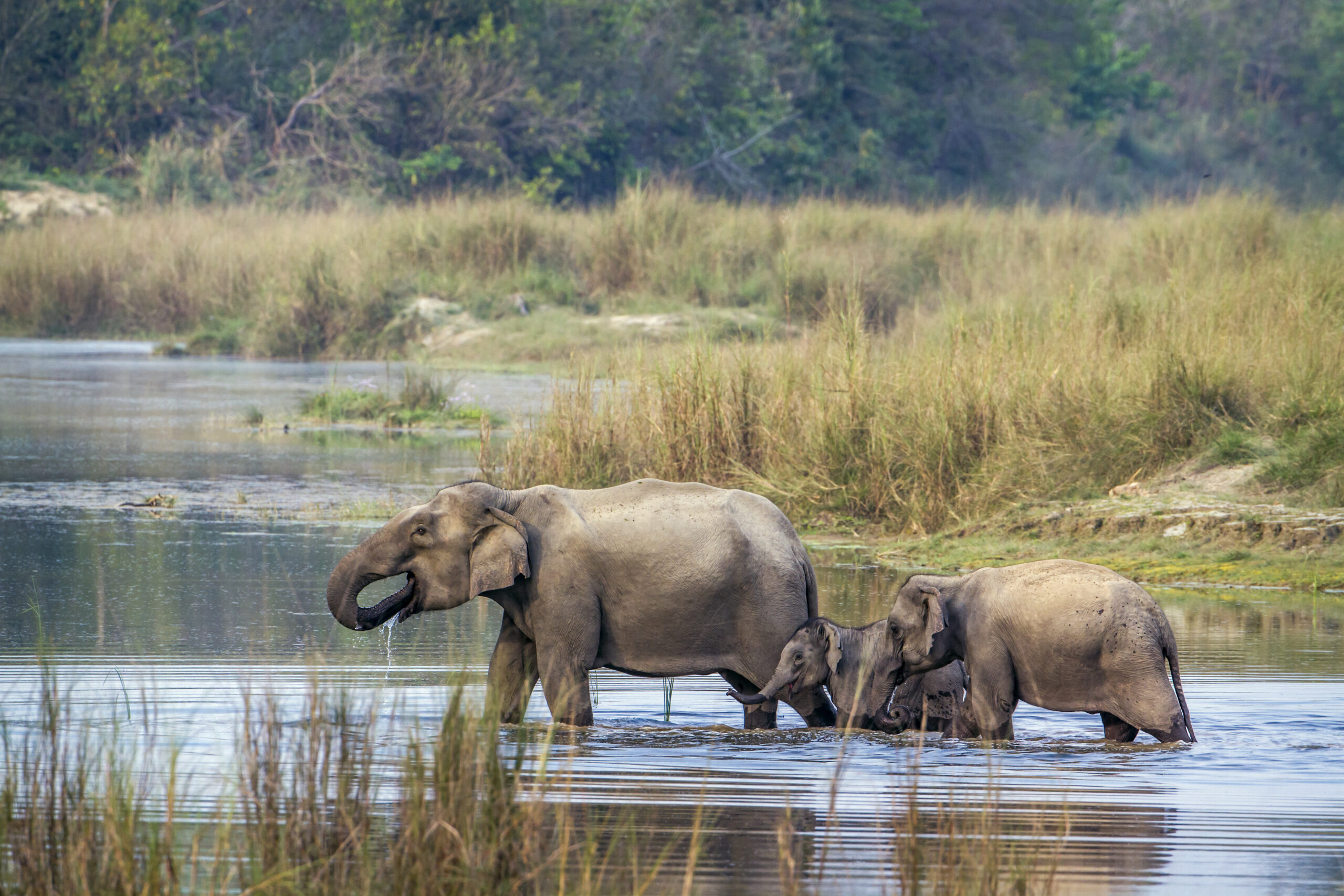
In the mountains, you’ll hike yak‑dotted trails and stand on Kyanjin Ri (4,773m) as dawn light spills across the snow summits. On the river, you’ll paddle one of the subcontinent’s wildest rafting routes Class III‑IV rapids, sandbank camping and star‑lit evenings far from roads. In the jungle, you’ll track rhinos by jeep and glide past crocodiles in a silent canoe, feeling the presence of tigers in the undergrowth.

This is expedition‑style travel with all the support you need. Physical, raw and expertly guided, it’s designed for those who want to earn every view, every rapid, every wild encounter.

Return not as a tourist, but as someone who truly touched Nepal’s wild heart.

THREE TASTES. ONE JOURNEY.

  1. 1

    Summit Tast - Days 1 to 11

    Kathmandu → Langtang Trek → Kyanjin Ri Summit (4,773m) → Pokhara | Trek the Valley of Glaciers. Summit at sunrise. Sleep in cozy teahouses. Wake to prayer flags.
  2. 2

    River Taste - Days 13 to 16

    Kali Gandaki Rafting Expedition | Four days of Class III to IV rapids. Camp on sandbanks. No roads. No crowds. Just water and stars.
  3. 3

    Jungle Taste - Days 17 to 21

    Kali Gandaki Rafting Expedition | Four days of Class III to IV rapids. Camp on sandbanks. No roads. No crowds. Just water and stars.

Itinerary

  • Day 1: Welcome to Nepal

    Land in Kathmandu, meet our team, enjoy a short drive to your boutique hotel in Thamel and then decide whether to rest or explore before your overnight stay.

  • Day 2: EASY kathmandu start

    Wake to breakfast, stroll Thamel's alleys, then gather for a team dinner, briefing and gear check before your overnight at the boutique hotel

  • Day 3: into the langtang valley

    6 to 7 hour private 4WD drive through river valleys and hill villages. Arrive in Syabrubesi. Overnight: Teahouse, Syabrubesi (1,550m)

  • Day 4 – Trek to Lama Hotel

    Follow the rushing Langtang River through forests and bamboo groves on a gentle uphill trek, then rest at your teahouse in Lama Hotel (2,480m) after 5 to 6 hours.

  • Day 5 – Heart of the Valley

    Walk past ancient stone walls, spinning prayer wheels and yak pastures to reach Langtang Village, where your cozy teahouse at 3,430m awaits after 5 to 6 hours of trekking.

  • Day 6 – Reach Kyanjin Gompa

    Take a short walk to the valley's spiritual heart, visiting a sacred monastery and a surprising cheese factory, before settling into your teahouse in Kyanjin Gompa (3,870m) after a gentle 4 to 5 hours.

  • Day 7 – Summit Day – Kyanjin Ri

    Choose a pre-dawn hike to Kyanjin Ri (4,773m) for sunrise over the Himalayas with a 903m climb in 3 – 5 hours, or take a rest day, before overnight at your teahouse in Kyanjin Gompa.

  • Day 8 – Begin the Descent

    Take an easy downhill walk back to Lama Hotel, where your cozy teahouse at 2,480m welcomes you after 5 to 6 hours of gentle trekking.

  • Day 9 – Final Trekking Steps

    Take your last walk alongside the Langtang River, return to Syabrubesi and celebrate with your team before overnight at your teahouse at 1,550m, after 5 to 6 easy hours.

  • Day 10 – Scenic Drive to Pokhara (4X4WD)

    After a scenic 7-hour drive to Pokhara, sink into a hot shower, a comfortable bed, and great food at your boutique hotel (822m).

  • Day 11 – Pokhara Chill Day

    Today is yours: maybe hike to the Peace Stupa, unwind with a massage, stroll Phewa Lake or linger at lakeside cafes then do everything or nothing before overnight at your boutique hotel (822m).

  • Days 12 to 15 – River Time Begins

    Buckle up for a 4-day, 55km rafting expedition: a 3-hour private Jeep ride to the put-in, meet your raft crew and gear up with helmet, life jacket and paddle, then days of Class III warm-ups and the roaring Class IV rapids Little Brother and Big Brother, canyon waterfalls and walls that rise hundreds of meters, remote landscapes with no roads or towns, incredible starry nights at riverside camps, a final Class IV send-off and take-out at Mirmi before transferring to your riverside lodge.

  • Day 16 – Final Paddles

    Savour your last morning on the river, then dry off, rest at the lodge and gather for a lovely dinner before overnight at your riverside lodge, with breakfast, lunch and dinner all included.

  • Day 17 – Drive to Chitwan

    A 3-hour drive winds into the subtropical lowlands, where the jungle begins, and you check into your comfortable jungle lodge in Sauraha for an overnight in Chitwan.

  • Day 18 – Chitwan Safari Experience

    Experience a full day of jungle adventure, from a morning Jeep safari in search of one-horned rhinos, sloth bears, leopards, and maybe the Bengal tiger, to an afternoon canoe ride on the Rapti River past basking crocodiles and water birds, a guided nature walk with a naturalist and a visit to the Elephant Breeding Center, capped by a sunset Tharu village walk and evening cultural dance, before returning to your jungle lodge in Sauraha for overnight, with all meals included.

  • Day 19 – Flight to Kathmandu & Sacred Temples

    Catch a 25-minute morning flight to Kathmandu (saving 6 hours of driving), then spend the afternoon at the 2,000-year-old Swayambhunath Stupa (Monkey Temple) with its golden Buddha eyes and mischievous monkeys, followed by Pashupatinath Temple Nepal's most sacred Hindu shrine where the holy Bagmati River flows past painted sadhus, before overnight at your boutique hotel in Thamel.

  • Day 20 – Heritage Visit & Farewell

    Begin at the magnificent Boudhanath Stupa one of the world's largest then wander through Bhaktapur, a medieval city of pottery squares and ancient wood-and-brick palaces, squeeze in last-minute shopping in Thamel, and wrap it all up with a heartfelt farewell dinner full of hugs, laughs, and stories before tucking into your boutique hotel in Thamel, with breakfast and a farewell dinner included.

  • Day 21 – Depart or Stay

    After your transfer to Tribhuvan International Airport, share hugs, high fives and gratitude as some fly home, some stay and a few plan their next river see you downstream.

Brief Information

WHAT IS INCLUDED

Accommodation: Boutique hotels in Kathmandu and Pokhara, best teahouses in Langtang, jungle lodges in Chitwan, riverside camps and lodges.

Meals: All meals during Langtang Trek. All meals during Kali Gandaki Rafting. Breakfast in cities. Welcome dinner (Day 2). Farewell dinner (Day 20).

Private Transfers: 4WD drives to and from Langtang trailhead. 4WD to rafting put in and pick up.

Rafting Gear: Rafts, paddles, safety kayaks, PFDs, helmets, dry bags.

Trekking Support: Porters, duffle bags (1 per 2 guests), permits, medical kit, oximeter checks.

Expert Guides: Highly trained, insured guides. International expedition experience (Iceland and Nepal). Ex-military and adventure rescue background. Licensed naturalists for Chitwan.

Special Add Ons: HOP hoodie orcap. All national park, temple, and heritage site entry fees.

WHAT IS NOT INCLUDED

International flights to Nepal.

Nepal visa fee (available on arrival).

Travel insurance (mandatory must cover trekking to 5,000m and whitewater rafting).

Lunch and dinner in Kathmandu and Pokhara (except welcome and farewell dinners).

Bottled drinks, alcohol, snacks, laundry, phone calls.

Tips for guides, porters, and drivers (recommended but not required).

READY FOR THE TASTE OF NEPAL?

This is Nepal at its wildest. This is Nepal like never before. This is your HOP adventure.

Real connections. Life changing moments.

Book your seat now. Limited to 10 adventurers per departure.

Questions? Talk to our team. We love to talk about rivers, mountains, and magic.

See you in the Himalayas.

FAQs

How Expensive Is Trekking In Nepal?
The cost of trekking in Nepal can depend upon many factors, including the number of days, trekking region, and difficulty level. Many treks are affordable, and some that are expensive. 
 
In general, trekking in the Himalayas of Nepal can cost between US$100 to $200 per person per day. The cost includes trekking permits, accommodation, food, transport, guides and porters, and other expenses.
 
Do I Need A Trekking Permit In Nepal?
Yes, the majority of the treks in Nepal would require you to have a trekking permit. A common trekking permit that you require are the National Park/Conservation Area Project Permits which is applicable if your trekking trail passes through any national park or conservation area.
 
Restricted Area Permits are required in certain remote and rural areas near the borders that the Nepal Government highly regulates. Some areas like Upper Mustang, Dolpo, Humla, Kanchenjunga require this permit. An independent trekker cannot collect it. Hence, one should hire a registered Nepali travel agency to acquire the permit.
Are there age restrictions?

People 14 years or older can join the trip. This ensures everyone is physically capable and can follow safety guidelines.

How Difficult Is Trekking In Nepal?
Trekking in Nepal has been categorized into three major difficulty levels – Easy to Moderate, Moderate to Difficult, and Difficult to Challenging. 
 
Trekking in the Himalayas of Nepal often means walking in rugged trails with distant shattered lodges, no transportation facilities in rural areas, chances of high altitude sickness, and unprecedented weather changes in the Himalayas. They add to the challenge of trekking in Nepal.
What Is The Best Time To Visit Nepal For Trekking?
The best season for trekking in Nepal is the Autumn and Spring seasons. The autumn season lasts from September to November, while the Spring season lasts from March to May. These are the best months for trekking in Nepal. The weather is clear during these seasons with blue skies, fresh vegetation, blooming wildflowers, and ideal temperature. The views of the Himalayan range around Nepal are clear.
 
The winter season from December to February has temperatures dropping to -18 degrees celsius so it is not suitable for higher altitude trek.  If you want to plan a trip in winter, keep reading our blogs about winter treks in Nepal. The Monsoon season from June to August is the
 
How Much Cash Should You Bring On The Trek?

The cash that you need to carry entirely depends upon the length of the trek and if you are opting to plan the trek with a travel agency or not. All the basic facilities like food, accommodation, porters and guides are provided by the travel agency if you go on an all-inclusive package with them. In that case, you need to bring cash only for your personal expenses, tipping and shopping.

What documents should i bring for the tour?
You need to carry your visa, passport, insurance policy documents, and relevant permits while coming for a trek to Nepal. Visa on arrival and some of the permits can be acquired after you land in Nepal as well. To acquire permits you would require to carry 3-4 passport sized photos. 
What is the best time of year for these trips?
The sweet spot for trekking in Nepal is from September to November and April to May. With perfect weather conditions.
How physically demanding are the trips?
Trips vary in difficulty, but a general level of fitness is recommended! Our guides will ensure everyone is safe and comfortable!
 
What if I have dietary restrictions?
Let us know in advance, and we’ll do our best to accommodate your needs!
 
 
Can I extend my stay in Nepal?

Of course! Just let us know, and we can help with arrangements.

What Happens If There Is An Emergency?
If there is an emergency while trekking in the himalayas of Nepal, your first point of contact can be our guide who has got the relevant safety training. They will arrange for any rescue mission by coordinating with the travel agency.