loader image

Himalayan Outdoor Project

langtang valley

Kalenjin Gorge - Hear the whisper of the forgotten river god.

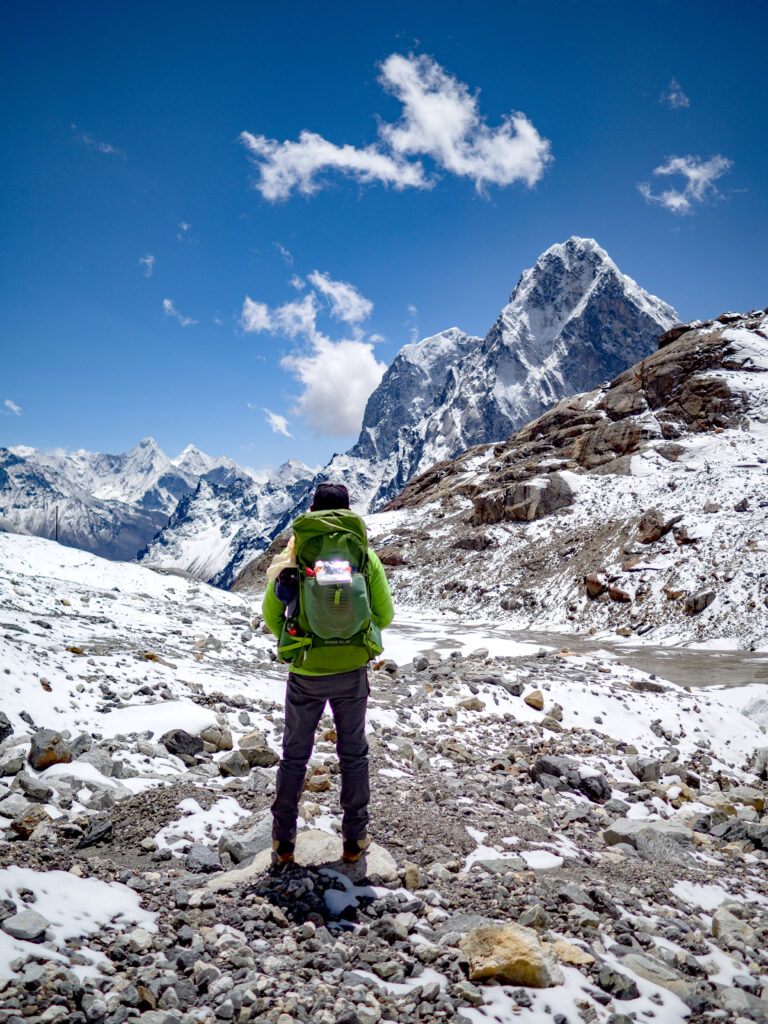
Test your spirit's altitude on the summit of Kyanjin Ri

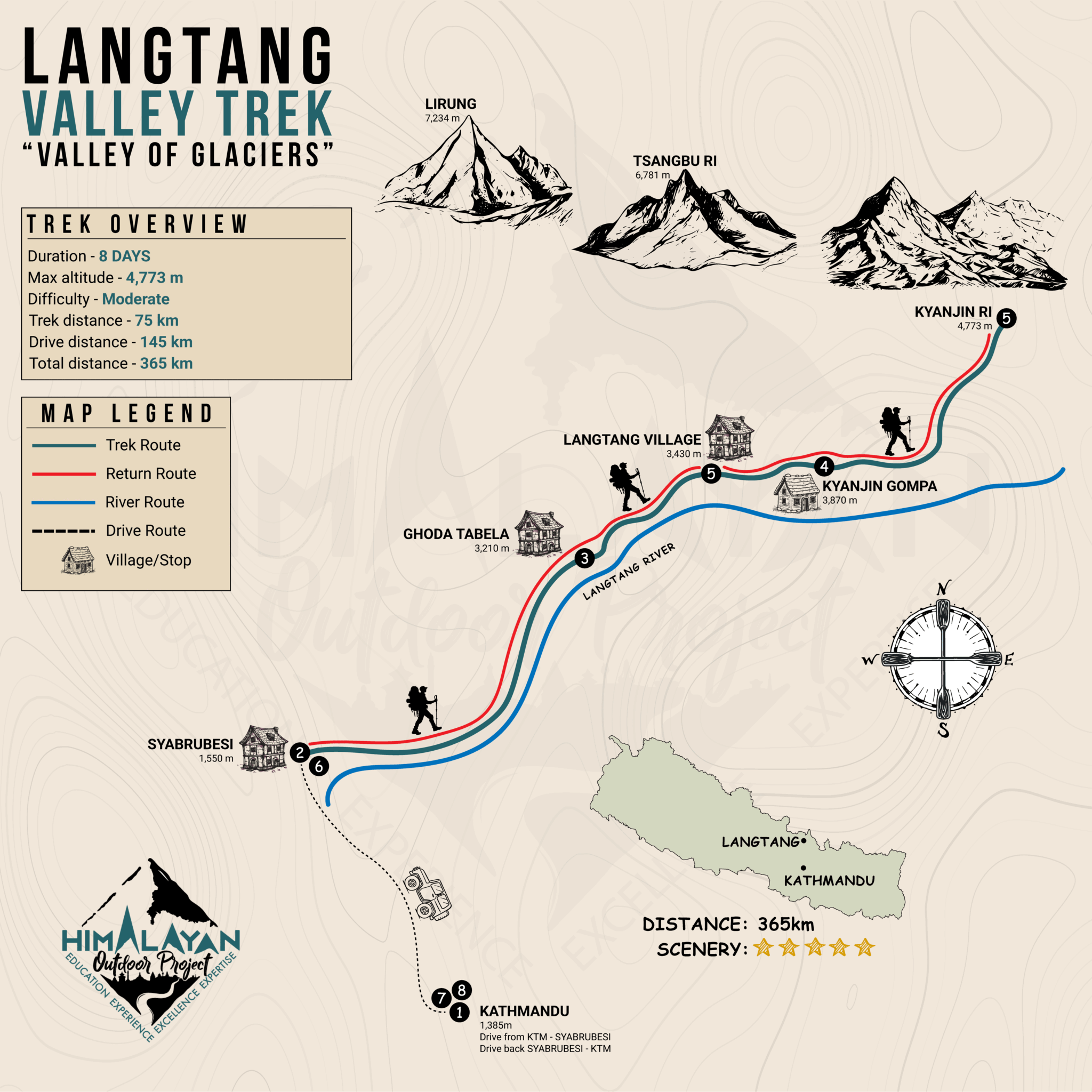
Langtang Valley Trek with Himalayan Outdoor Project (HOP) is your gateway to one of Nepal’s most accessible and rewarding Himalayan adventures, often called the “Valley of Glaciers.” Nestled just 30 kilometers north of Kathmandu, the Langtang Valley offers breathtaking mountain scenery, rich Tamang and Sherpa culture, and an achievable trekking experience suitable for beginners and seasoned trekkers alike. Whether you’re taking your first steps into the Himalaya or seeking a shorter but equally spectacular alternative to the Everest and Annapurna regions, Langtang Valley Trek is designed to be accessible. Founded by Anup Gurung a world-class kayaker, IRF instructor, solo paraglider, and enduro rider who has conquered extreme environments across the globe and Rajiv Chand, a retired Major from the Nepali Army Special Forces with over 20 years of leadership and expedition experience, HOP was built on a powerful belief: “We don’t just take people on trails we help them discover who they are with every step.” Langtang Valley is more than a trek; it’s a purpose-driven adventure that empowers local communities and preserves Nepal’s pristine landscapes. Langtang Valley Trek offers an unforgettable journey into the heart of the Himalaya.


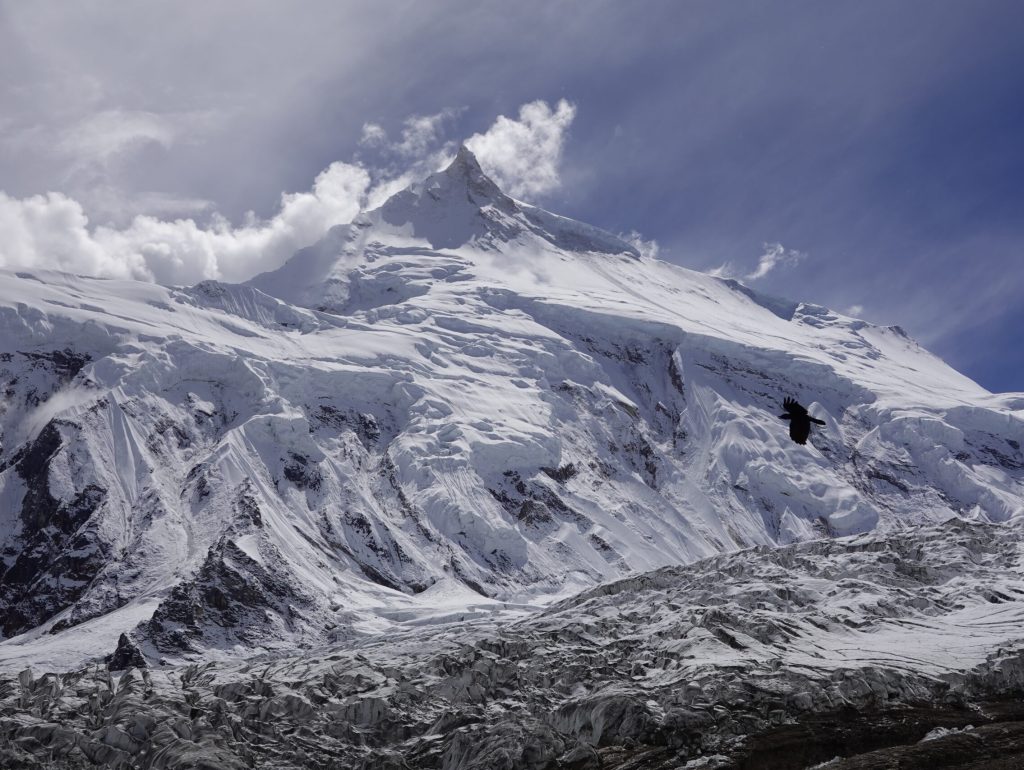
Langtang Valley Trek follows a journey steeped in natural beauty and cultural richness. The Langtang Valley was designated as Nepal’s first Himalayan national park in 1976, protecting its diverse flora and fauna including red pandas, Himalayan black bears, and over 250 species of birds. The valley is home to the Tamang people, whose culture and language are closely related to the Tibetans across the border. Langtang Valley was devastated by the 2015 earthquake, but the resilient local communities have rebuilt their villages and lodges with remarkable strength. Langtang Valley Trek with HOP takes you through charming villages like Syabrubesi, Lama Hotel, and Langtang Village, each offering warm hospitality and a glimpse into the region’s rich cultural heritage. Langtang Valley showcases stunning mountain views of Langtang Lirung (7,234m), Ganesh Himal, and the Tibetan Himalayas, with the sacred lakes of Gosaikunda lying just beyond the valley’s high passes. Langtang Valley Trek is a journey of resilience, beauty, and cultural immersion.


A moderate level of physical fitness is beneficial for the Langtang Valley Trek, but HOP’s 4E Principle Education, Experience, Expertise, Excellence ensures that even those with no prior trekking experience can participate confidently. The trek is graded as moderate, with walking days of 4–6 hours on well-maintained trails. Langtang Valley reaches a maximum elevation of 3,870 meters at Kyanjin Gompa, making it ideal for first-time high-altitude trekkers. Langtang Valley Trek requires proper acclimatization, with built-in rest days in Langtang Village or Kyanjin Gompa to allow your body to adjust to the altitude. Langtang Valley offers an optional acclimatization hike to Kyanjin Ri (4,350m) or Tserko Ri (4,985m) for spectacular panoramic views of the surrounding peaks. The best seasons for Langtang Valley Trek are spring (March–May) and autumn (September–November) when the skies are clear and the rhododendrons are in bloom. Langtang Valley Trek can also be undertaken during winter for those seeking a quieter, snow-covered experience. Langtang Valley rewards the prepared with one of the most beautiful and accessible treks in Nepal.


The Langtang Valley Trek itinerary with HOP spans 7–10 days, combining thorough acclimatization with the classic Langtang experience. The journey begins with a scenic 6–7 hour drive from Kathmandu to Syabrubesi (1,550m), passing through lush hills and traditional villages. From Syabrubesi, Langtang Valley Trek follows the Langtang Khola through dense forests of oak, rhododendron, and pine to Lama Hotel (2,470m). Langtang Valley continues through Ghodatabela and Thangshyap to Langtang Village (3,430m), the largest settlement in the valley. From Langtang Village, Langtang Valley Trek ascends to Kyanjin Gompa (3,870m), the spiritual heart of the valley, surrounded by towering peaks. Langtang Valley offers optional hikes to Kyanjin Ri or Tserko Ri for breathtaking sunrise views. The return journey is a gentle descent back through the same trail, with a final drive from Syabrubesi to Kathmandu. Langtang Valley Trek is not just a walk; it’s a journey through a valley of resilience, beauty, and heart. Langtang Valley stays with you in the quiet moments, in the memory of prayer flags fluttering in the wind, in the warmth of tea shared with newfound friends. Choose Langtang Valley Trek. Choose HOP. Let Langtang Valley redefine what you thought possible and let Langtang Valley Trek linger in your heart long after you’ve returned home.

Langtang Valley Trek / Langtang

Beyond Borders

Langtang Valley Trek / Langtang

EXPEDITION OVERVIEW

Here is brief information regarding the expedition, including dates, duration, pricing and more.
  1. MONTH

    SEPT-OCT-NOV / March - April-MAY
  2. GROUP SIZE

    4 - 14 adventurers
  3. DURATION

    Expedition duration is 8 days
  4. TRANSPORTATION

    We will be travelling via private transportation
  5. DIFFICULTY

    The level will be moderate

Itinerary

  • Day 1: Welcome to Nepal

    We will pick you up at the airport and rest before we meet for the full trek briefing. We’ll meet the rest of the group and go over any questions you may have. While enjoying the evening with a dinner.

  • Day 2: Drive from Kathmandu to Syabrubesi

    (Overnight altitude: 1,500m) We kick off the day with a long drive lasting 7-8 hours to Syabrubesi (1,550m) while enjoying the scenic view of the valley. The green lush forests covering the hills and the beautifull villages with their small communities. Where we settle down for the night and prepare for our long trek next day.

  • Day 3: The trail from Syabrubesi to Ghoda Tabela

    (Overnight altitude: 3,210m) Today, we trek to Ghoda Tabela (3,210m) from Syabrubesi (1,550m) while traversing through Lama hotel. The 6-7 hour journey takes us through sub-tropical forests paths filled with oak, pine and rhododendron trees. We will also have a scenic view of the Bhotekoshi river on our journey.

  • Day 4: The trail of ascending to Kyanjin Gompa

    (Overnight altitude: 3,870m) Today, it’s one of the most important section of the expedition. Kyanjin Gompa (3,870m) a trek of 5 hours filled with scenery of mountain glaciers. While the trails ascends the path is filled with yak pasture and moraines showcasing the vast expanding scene of Langtang valley. The trek slowly comes to an end at a small local tibetan influenced community at Kyanjin. There you’ll be able to embrace the buddhist monasteries while also exploring the cheese factory and local culture. After settling down at Kyanjin indulge yourself on a well earned lunch and if there’s time to spare why not explore Langshisha Kharka.

  • Day 5: Kyanjin Ri and descend to Langtang Village

    (Overnight altitude: 3,430m) Early morning around 4-5am we start off with our ascent. It’s filled with a steep and rocky trail towards our summit of Kyanjin Ri at (4,773m). The climb is rewarded by breathtaking sunrise and majestic views of the Himalayan range, showcasing peaks like Langtang Lirung and Dorje Lakpa before we descend back to Kyanjin Gompa for a hearty breakfast. After replenishing our energy, we continue our descend towards Langtang Village (3,430m). Which 7-8 hours of hiking, the journey concludes with an overnight stay in a cozy village teahouse.

  • Day 6: Trek from Langtang Village to Syabrubesi

    (Overnigh altitude: 1,500m) The day starts off with a descend while traversing through the Langtang Valley viewing a scenic view. Trail is filled with verdant forests and suspension bridges with a view of the Langtang River. The path offers a panoramic mountain views on our way to Syabrubesi, while following the Bhotekoshi River. We have our lunch at a cozy teahouse after refreshment we again continue our journey towards Syabrubesi where we stay overnight in a local guesthouse.

  • Day 7: Drive back to ktm from Syabrubesi

    (Overnigh altitude: 1,324m) The day starts off with a drive back to kathmandu, the ride traverses through the scenic views of vibrant green landscapes alongside the winding Bhotekoshi river while arriving slowly towards the city. After check-in your hotel we have time for shopping around thamel and in the evening we have dinner party with the whole team. While enjoying your last night with laughter and memories made during this trek.

  • Day 8: Departure

    As our Langtang Valley trek concludes, it’s time to say goodbye. We look forward to many more adventures together in the future. Until next time!

Brief Information

Cost includes:

  • All arrival, departure transfers as per the program by private vehicle. 
  • 6 days full board Lodge trek with all meals (breakfast, lunch and dinner) with accommodation in a tea house lodge.
  • 2 nights tourist standard hotel in Kathmandu including breakfast and government taxes. 
  • Service of fluent english speaking guides and porters.
  • Accommodation, meals, insurance, equipment, and allowances of guides and porters.   
  • All entry fee for trek permits. 
  • Transportation for all arrival and departure transfers by private vehicle as per the above itinerary. 
  • Cultural tour in Kathmandu with local guide, transport but entry fee is extra. 
  • TIMS (Trekkers’ Information Management System) fee. 
  • All applicable government taxes (13% VAT and 10% tourism service charges)
  • Ground handling charges and necessary government taxes. 
  • Farewell and welcome Dinner with the whole trek team. 
  • Himalayanoutdoorproject merchandise (Cap or Hoodie)
 

Cost excludes:

  • Lunch and Dinner whilst staying in Kathmandu. 
  • Entry fee while cultural visit in Kathmandu. 
  • International flights to Nepal. 
  • Bottled drinks (mineral water, any cold drinks, and alcoholic drinks) whilst on trek. 
  • Your travel insurance.
  • Expenses of personal nature such as tips for guide, porter and driver, laundry, bar bill, telephone calls etc.
  • Nepal visa fee for 30 days.
  • Any additional activities not in the itinerary.

Things to consider while in Nepal and before coming to Nepal:

  • Roads can be unpredictable and bumpy in Nepal—be patient and trust the journey.
  • Forgetting personal medications is risky—pack enough for the entire trip as pharmacies are non-existent in these remote areas.
  • There’s little to no internet here—disconnect and enjoy the timeless beauty of the wilderness.
  • Drinking untreated water can ruin your adventure. Always use purification methods.
  • Never overpack.
  • Leave footprints not traces.
  • Have healthy mind set to respect local culture.
  • Remote areas mean minimal facilities—embrace the adventure over comfort.
  • Switch off everything and soak in the moments.
  • Carry enough cash because sometimes ATMs and other form of payments could not work.
  • Dont forget your permits and all the other required documents.
  • Stay calm in unexpected situations; panicking never helps, and solutions are always around the corner.
  • Don’t rush to the finish line; the magic is in enjoying every step of the journey.
  • Stick with the group; wandering off isn’t just unsafe, it’s unnecessary in such vast landscapes.
 

WHAT TO BRING: 

  • Hat/Cap
  • Beanie/Headband
  • Sunglasses
  • Neck Buff
  • Sunscreen
  • Light Base Layer
  • Insulating Layer (Fleece or Down)
  • Down Jacket
  • Raincoat
  • Gloves (Warm and Lightweight)
  • Trekking Pants (Quick-dry)
  • Thermal Bottoms (Optional)
  • Trekking Boots
  • Camp Shoes/Flip Flops
  • Wool Socks (Multiple Pairs)
  • Head Torch (with Extra Batteries)
  • Water Bottle (Up to 2L)
  • Personal Medications
  • Camera
  • Power Bank/Charger
  • Trekking Poles
  • Snacks/Protein Bars
  • Toilet Paper/Wet Wipes
  • Personal Hygiene Items
  • First Aid Kit (Basic)
  • Map/Guidebook
  • Backpack (Daypack for trekking)
  • Positive vibes

FAQs

I've never trekked in the Himalayas before. Can I join one of your trekking expeditions?
  • Absolutely.
  • Many of our guests are first-time trekkers in Nepal.
  • You don’t need previous trekking experience to enjoy a Himalayan adventure. What matters most is choosing the right route based on your fitness level, interests, and goals.
  • Whether you’re looking for a scenic lodge-to-lodge trek, a challenging high-altitude journey, or your first multi-day mountain experience, we’ll help you select an expedition that’s right for you.
  • Our goal is not simply to get you to the destination. Our goal is to ensure you enjoy every step of the journey.
How difficult is trekking in Nepal?
  • The answer depends on the route.
  • Some treks are suitable for active beginners, while others require strong fitness and previous hiking experience.
  • Most trekking days involve walking between 5 and 8 hours at a comfortable pace.
  • The biggest challenge for most travelers is not the distance it’s altitude.
  • That is why our itineraries are carefully designed with proper acclimatization, realistic daily schedules, and experienced guides who understand how to manage trekking safely in the Himalayas.
How fit do I need to be?
  • You do not need to be an athlete.
  • If you enjoy walking, outdoor activities, and can comfortably stay active for several hours, you are already in a good position to enjoy many of our treks.
  • We recommend regular walking, hiking, cycling, or cardiovascular exercise for several weeks before your trip.
  • The better prepared you are, the more comfortable and enjoyable your expedition will be.
Is altitude sickness something I should be worried about?
  • Altitude is an important factor in the Himalayas and should always be taken seriously.
  • Our guides monitor guests daily, encourage proper hydration, and follow proven acclimatization schedules.
  • Most altitude-related problems can be avoided through proper pacing and responsible expedition planning.
  • At HOP, safety always comes before itinerary schedules or summit goals.
Why trek with a guide instead of trekking independently?

Because a great trek is about much more than following a trail.

Our guides provide:

  • Route expertise
    • Local cultural knowledge
    • Safety management
    • Permit coordination
    • Accommodation logistics
    • Emergency support
    • Weather and trail updates

Most importantly, they help you experience Nepal in a way that would be difficult to achieve on your own.

Many guests tell us that their guide became one of the most memorable parts of their journey.

What are accommodations like during the trek?
  • Most of our trekking expeditions use carefully selected tea houses and mountain lodges.
  • Accommodation is generally simple, clean, and comfortable.
  • The further you travel into the mountains, the more basic facilities become but that’s also where you’ll find some of the most authentic experiences and spectacular views.
  • Expect warm hospitality, hearty meals, and unforgettable mountain scenery.
What makes Himalayan Outdoor Project different?

We are not a mass-market tour operator.

We are a Nepal-based expedition company built around authentic experiences, professional leadership, and responsible adventure travel.

Our philosophy is simple:


Experienced certified guides.
Strong safety standards.
Meaningful cultural connections.
Real Himalayan experiences.

We believe the best expeditions are measured not only by where you go but by how deeply you experience the journey.