
Close
27°17'47"N · 86°22'54"E - FAR-EAST NEPAL
The river of gold
Expedition Data
Packages
Mission Brief
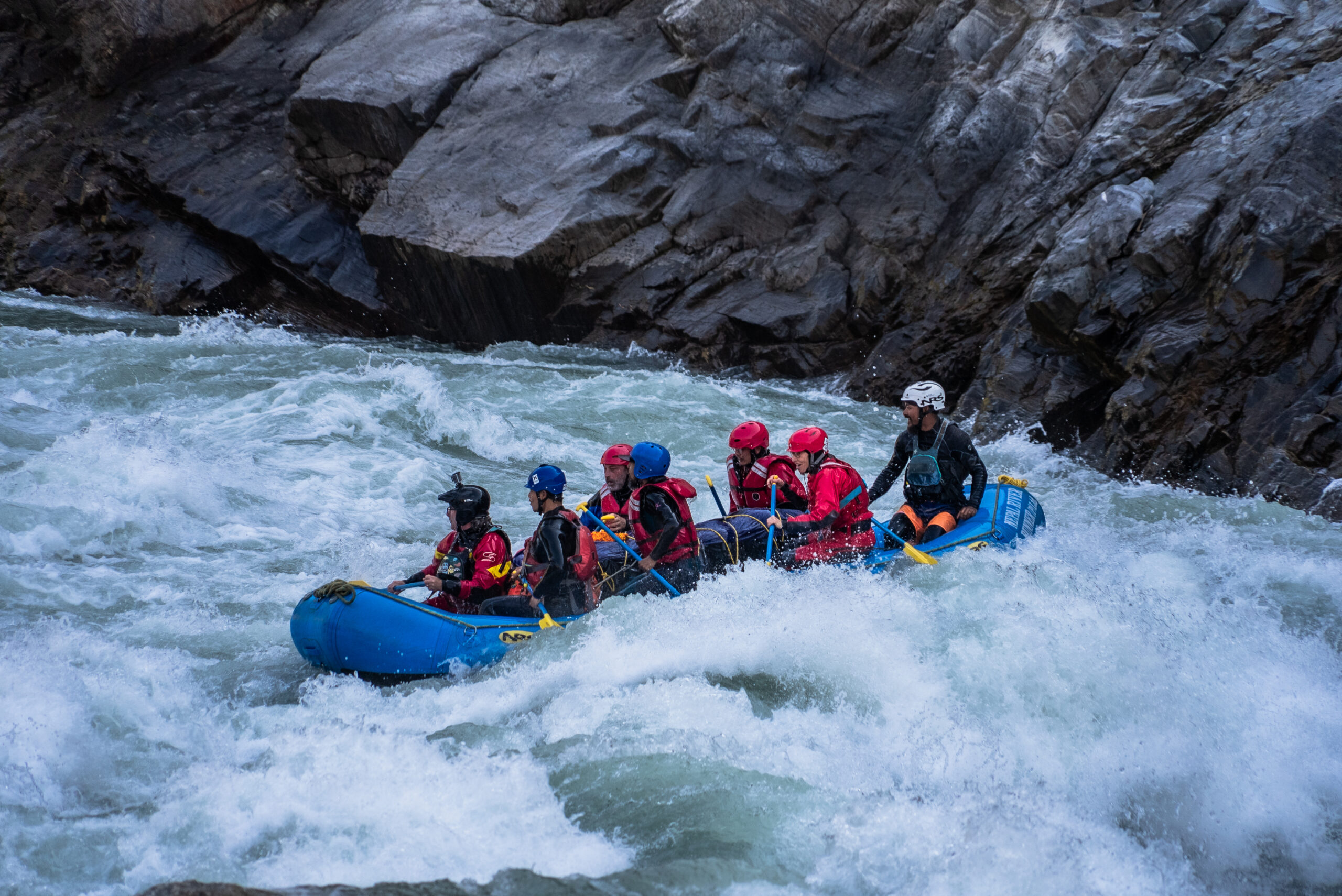
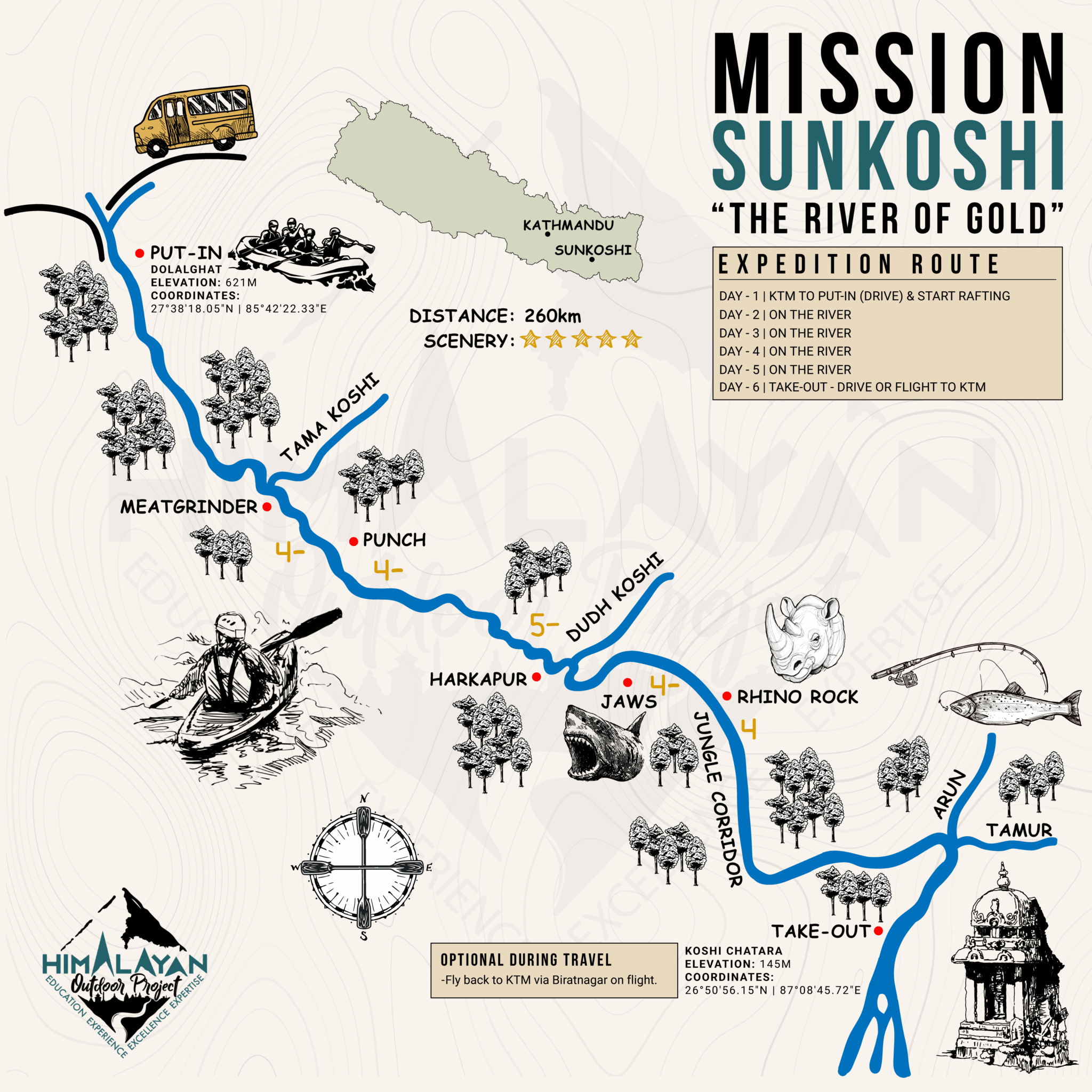
SunKoshi is Nepal's largest-volume whitewater river and one of the great expedition classics of the Himalayas. It is best known as a premier destination for kayaking and rafting in Nepal. Starting from Harkapur, the journey covers approximately 155km of powerful flows, long wave trains, and open valleys. Life unfolds along the banks villages, temples, farmland, and wide sandy beaches that become our camps each night.
This is a river defined not just by whitewater, but by culture, space, and rhythm. We experience big days on the water, quiet evenings on golden beaches, and a deep sense of what rafting in Nepal truly means. The SunKoshi is widely acknowledged as one of the ten best rafting trips in the world, offering powerful rapids, warm water, and a true wilderness experience.
The journey begins with a scenic drive from Kathmandu towards the Everest Base Camp route (approx. 5-6 hours) to the put-in at Harkapur. After safety briefings and on-land training, you launch into the river's rhythm. The expedition features the sharp, technical "Harkapur II" rapid (reshaped by a 2023 flood), long wave trains, big volume whitewater, and a relaxed "flow day" where you simply drift and soak in the surroundings. The expedition concludes with a temple visit, a BBQ farewell dinner, and a scenic flight back to Kathmandu.
The SunKoshi Expedition is not merely about rafting a river; it is about experiencing one of the world's great whitewater journeys where the water, the culture, and the wilderness come together in perfect rhythm. It is a once-in-a-lifetime adventure that demands preparation but offers rewards that last forever.
River Profile









Trip Manifest
The HOP Difference
At Himalayan Outdoor Project, every expedition is a collaboration between two extraordinary minds. Anup Gurung, your Expedition Leader and world-class kayaker, has conquered the world's most extreme waters from the frigid rivers of Iceland with Viking Rafting to the raging whitewater of the Himalayas. An IRF instructor, solo paraglider, and enduro rider, Anup brings an unmatched depth of river intuition, technical mastery, and sheer passion for the water. He doesn't just guide he lives for the river.
Behind every expedition is Ex. Special Forces Maj. Rajiv Chand, the architect of logistics and safety. A retired Major from the Nepali Army Special Forces with over 20 years of field experience in navigation, leadership, and decision-making, Rajiv ensures that every detail from route planning to emergency contingencies is executed with military precision. His systems turn wilderness adventures into professionally managed operations where nothing is left to chance.
Our river expeditions combine the river wisdom, technical mastery, and IRF-certified expertise of Anup Gurung and our world-class guide team with the leadership, planning, logistics, and risk-management systems of Ex. Special Forces Maj. Rajiv Chand's Special Forces discipline. This partnership creates an expedition environment built on trust, professionalism, teamwork, and safety essential ingredients for navigating one of Nepal's great river classics.
Our Rafting Philosophy
Successful SunKoshi expeditions begin long before arriving at the river and they end only when every paddler is safely home.
Every detail matters Route, Logistics, Weather, Water levels, Equipment, Contingencies, Emergency response. Nothing is left to chance. The 155km journey through remote valleys requires precise planning and careful river management.
Preparation creates confidence. Every paddler receives guidance on: Physical training, Paddling techniques, Safety protocols, Equipment selection, Nutrition and hydration, Mental preparation for the river challenge.
On the river conditions constantly change. Our team adapts, communicates and makes informed decisions based on: Water levels, Weather, Team health, Individual performance, Safety considerations.
The take-out is only halfway. Our objective is simple: Bring every paddler home safely. Safety First. Adventure Second.
Preparation Program
Most expeditions start in Kathmandu. Ours starts months before.
Develop the endurance, strength, and resilience required for 6 days on the river. Paddling through Class III to IV rapids requires upper body strength, core stability, and cardiovascular fitness. Recommended training period: minimum 2–3 months.
No prior rafting experience is required but a willingness to paddle, listen to your guide, and work as a team is essential. Safety briefings, paddle drills, and rescue training are conducted before we launch.
Manage fatigue, uncertainty, fear, stress, team dynamics, and the psychological demands of navigating remote wilderness. The SunKoshi's remote valleys mean no roads, no crowds just water, waves, and wide open skies.
Our team provides detailed equipment consultation and gear recommendations. Final equipment checks are conducted in Kathmandu.
Your River Team
Our river guides and crew are not simply support staff. Many members of our team are International Rafting Federation-certified guides and safety kayakers with extensive experience on Nepal's wildest rivers. Led by Anup Gurung a world-class kayaker who has conquered rivers from Iceland to the Himalayas our team brings unparalleled river intuition, technical mastery, and genuine passion for the water.
Important: That is why we work only with highly experienced, certified river guides who share our commitment to professionalism and safety.
Fit Check
Recommended Experience
What to Expect
The SunKoshi is Nepal's largest-volume whitewater river. The rapids range from Class III to IV, offering a perfect mix of big waves, long wave trains, and technical drops. The river is widely acknowledged as one of the ten best rafting trips in the world.
Each night, you camp on wide, golden sandy beaches along the river. A cosy riverside safari tent resort awaits on the final night, complete with hot showers and a BBQ farewell dinner.
The SunKoshi flows past villages, temples, and farmland. You will visit one of the most important Hindu temples along the riverbank and connect with riverside communities.
Safety & Risk Management
Cost Breakdown
Permits & Logistics
Accommodation & Meals
Transportation
Expedition Support
Equipment
Training & Additional
Mandatory Insurance
What to Bring
Important note: The SunKoshi Expedition is a classic river journey through one of Nepal's most remote valleys. Weather, water levels, and health issues may require itinerary changes. Flexibility, patience, resilience, and teamwork are essential. The expedition involves paddling 4–6 hours daily through Class III to IV rapids. The river features powerful flows, long wave trains, and technical drops. The remote valleys of the SunKoshi mean no roads, no crowds just the river, the waves, and the wide open skies.
FAQs
Beyond Borders
 Trekking · Field Notes
For paddlers looking to pair the river with a trek the closest Himalayan trail to Kathmandu.
Read the guide →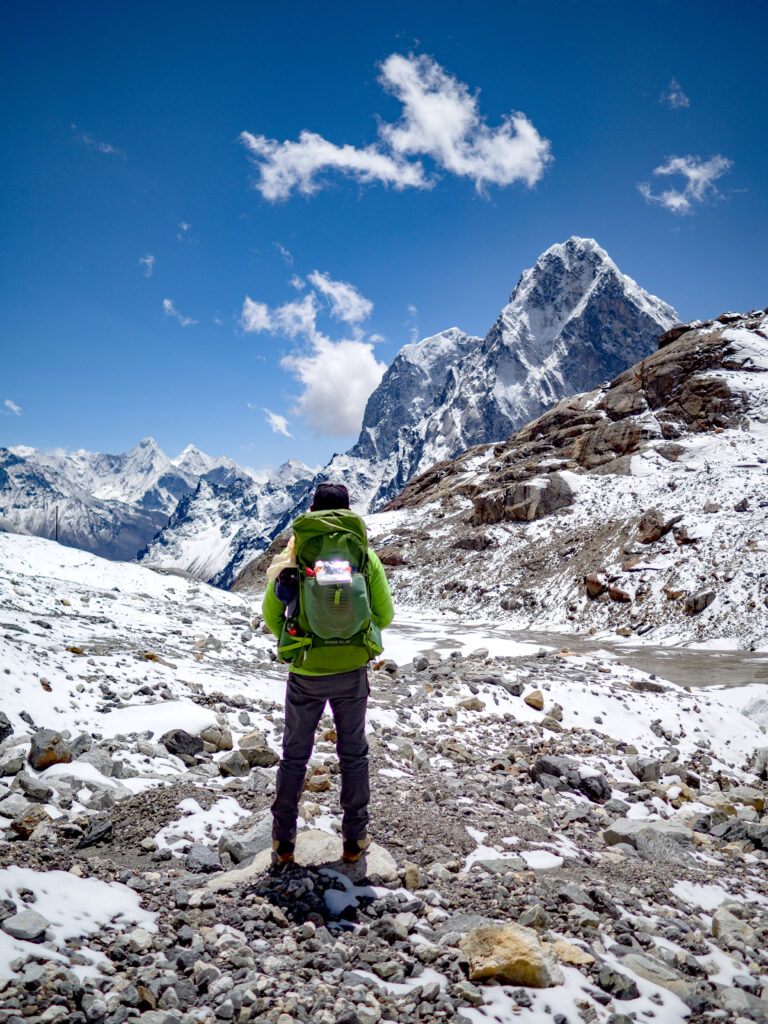 Trekking · Field Notes
A different kind of HOP expedition for those who want land as well as water.
Read the guide → White Water · Field Notes
Both are HOP flagship river expeditions but they ask very different things of the people who paddle them. Here's how the two compare.
Read the guide →