
Close
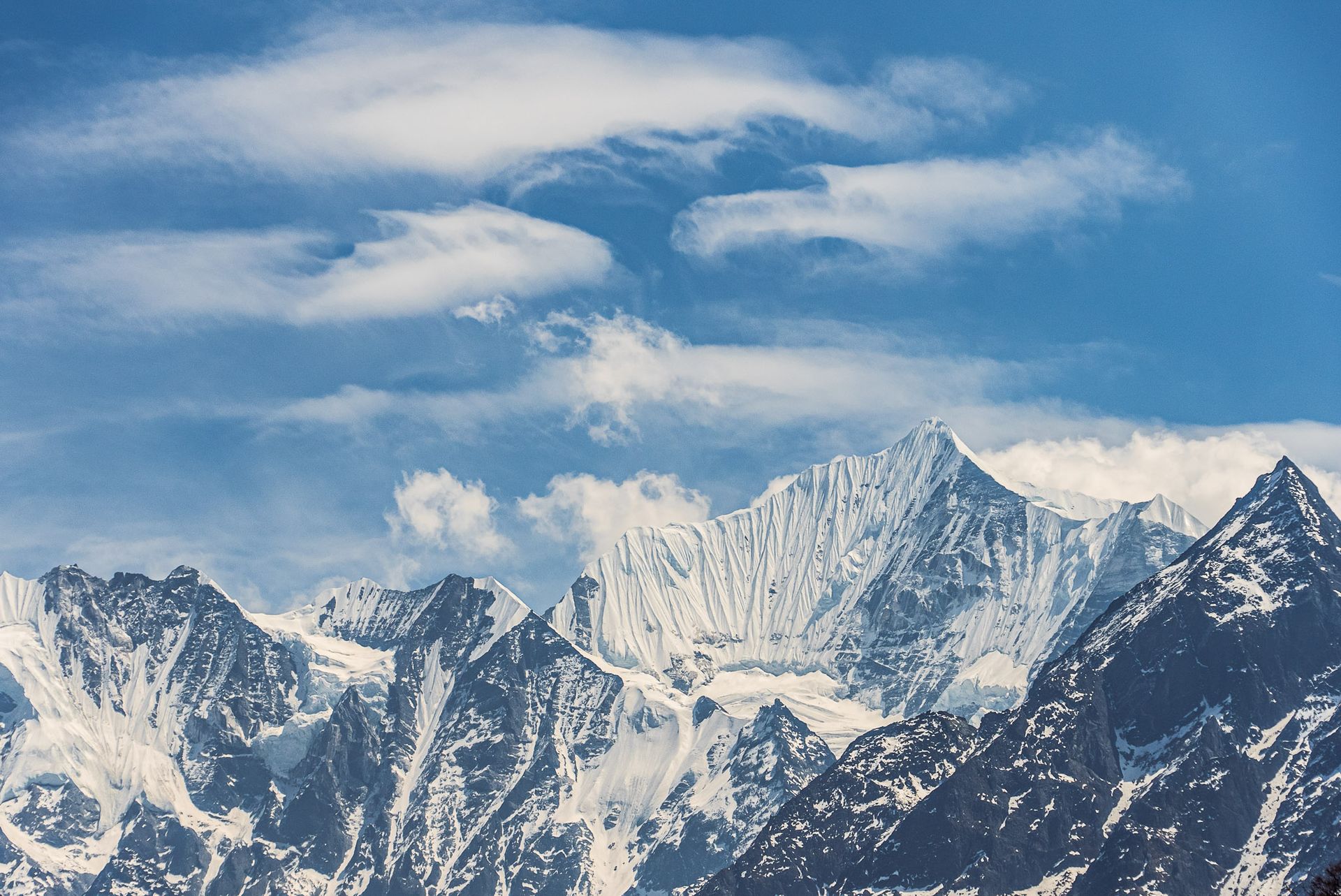
Some mountains are famous. Others are still waiting to be explored.
Plan My ExpeditionIf you're looking to climb an unclimbed peak, attempt a little-documented mountain, or plan a custom Himalayan expedition, Himalayan Outdoor Project (HOP) will help you research, plan, and organize every stage of your expedition.
Whether you're an experienced climber, alpine club, military adventure team, university, filmmaker, or research group, we'll help turn your expedition idea into a professionally planned reality.
An unclimbed peak is a mountain with no officially documented ascent or very limited recorded climbing history.
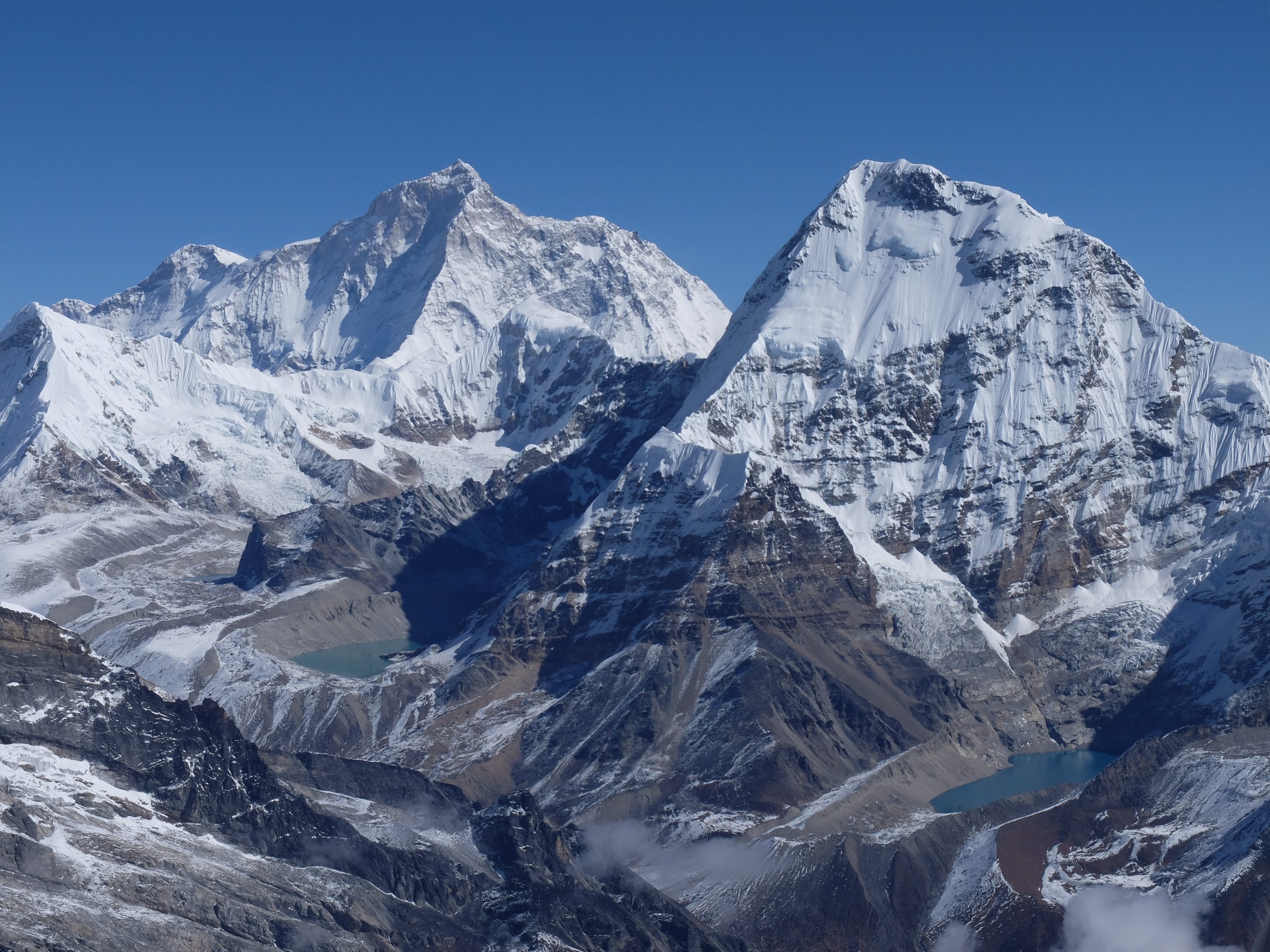
Before planning begins, HOP researches:
Every mountain is verified before we recommend it.
Our exploratory expeditions are designed for experienced mountain teams not beginners.
Ideal For
Planning an unclimbed peak expedition is simple.
What do you want to achieve?
We study:
Based on your experience, team size, budget, time available, technical ability and season, we recommend the most suitable objective.
HOP prepares:
Your expedition is professionally managed from arrival in Nepal until your return.
A successful expedition isn't just reaching the summit. A successful expedition means everyone returns home safely.
Every expedition is custom designed. Here's what to expect when scoping yours.
| Expedition Type | Team Size |
|---|---|
| Private Climbers | 2–4 |
| Small Expedition | 4–8 |
| Alpine Club | 6–12 |
| Military Team | 6–15 |
| Scientific Expedition | Custom |
| Documentary Team | Custom |
| Duration Range | Typical For |
|---|---|
| 15–20 Days | Reconnaissance & shorter objectives |
| 21–30 Days | Standard expedition |
| 30–45 Days | Extended / technical objectives |
| Custom Expedition | Multi-objective or research projects |
Planning usually begins 6–12 months before departure.
| Experience | Suitable? |
|---|---|
| Beginner | ❌ No |
| Trekking only | ❌ No |
| Previous High-Altitude Experience | ✅ Yes |
| 6000m+ Experience | ✅ Recommended |
| Technical Alpine Experience | ✅ Ideal |
| Expedition Teams | ✅ Yes |
Every expedition is built around your objective.
Nepal is home to the world's greatest mountain range. Beyond Everest lie remote valleys, hidden glaciers, little-documented summits, and extraordinary opportunities for exploration.
These expeditions aren't about chasing crowds. They're about discovering mountains that still inspire curiosity.

Many companies organize expeditions.
We design them.
Before anyone steps onto the mountain, we help answer the questions that matter most:
Because successful expeditions begin months before Base Camp.
Every exploratory expedition is different. Tell us your objective. We'll help build the plan.
Plan My ExpeditionReaching a summit is only one small part of an expedition. The real work begins months earlier with careful planning, research, and preparation.
At Himalayan Outdoor Project, every exploratory expedition follows a structured planning framework designed to reduce uncertainty, improve decision-making, and help teams operate responsibly in some of the world's most remote mountain environments.
Every expedition is different. But our planning philosophy remains the same.
Every successful expedition begins with one simple question: why are we going? The answer determines everything that follows. Whether the objective is a first recorded ascent, a remote reconnaissance mission, scientific research, alpine exploration, documentary filming, or a custom mountaineering project, the expedition must have a clearly defined purpose.
A clear objective creates clear decisions throughout the expedition.
No mountain should ever be approached without understanding it first. Our planning team gathers every available source of information before developing the expedition strategy.
Sometimes information is limited. That is exactly why proper research becomes even more important.
Before climbing begins, the expedition must reach the mountain safely. This phase focuses on designing the most practical and responsible approach.
In remote mountain regions, good logistics often determine the success of the expedition.
Mountains always involve uncertainty. Risk can never be eliminated. It can only be understood, managed, and reduced. Every expedition is evaluated for potential hazards, including:
The goal is not to avoid adventure. The goal is to make informed decisions.
A mountain is only as strong as the team climbing it. Before departure, we work closely with expedition members to ensure everyone understands their responsibilities.
The better prepared the team, the more adaptable it becomes in the mountains.
Once the expedition begins, the plan becomes a living document. Conditions change. Weather changes. Mountains change. Our approach is built around flexibility rather than rigid schedules.
Good expedition leadership is measured not by reaching the summit but by making the right decision at the right time.
Every expedition includes a contingency plan. Preparation for emergencies is not pessimism. It is responsibility.
Every expedition is designed with contingency options because unexpected situations are part of operating in remote mountain environments.
Many people measure success by reaching a summit. We measure success differently. Success means:
Because the summit is never the end of the journey. Returning home safely is.
Exploratory expeditions are different from commercial climbs. There may be no previous route. No fixed camps. No established logistics. No detailed guidebook. Every decision matters.
A structured planning framework provides clarity, flexibility, and confidence when operating in remote mountain environments. It helps teams prepare for uncertainty rather than simply reacting to it.
Exploratory expeditions demand more than technical climbing skills. They require leadership, logistics, mountain judgment, and disciplined planning.
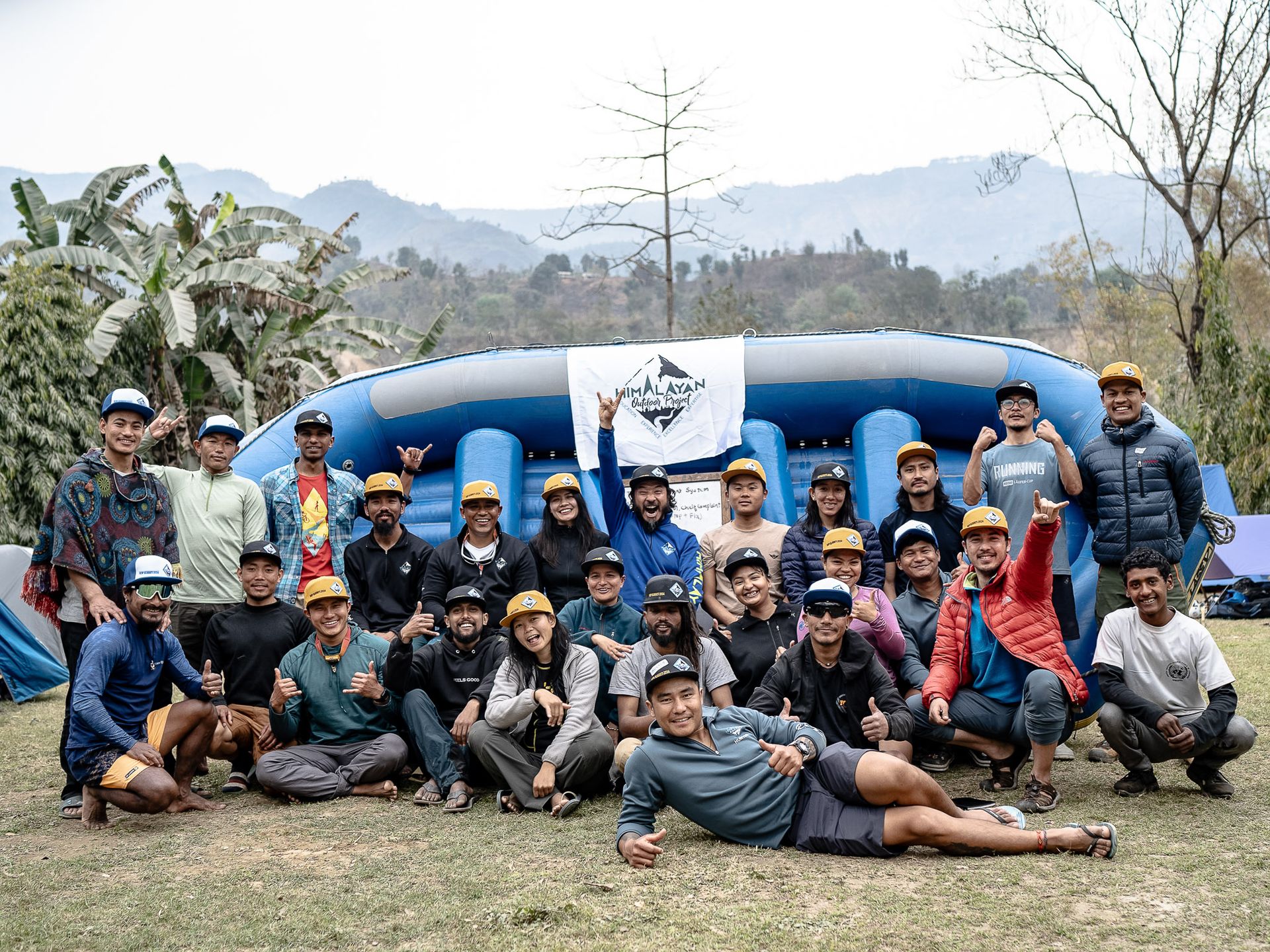
Himalayan Outdoor Project brings together decades of experience in Himalayan expeditions, outdoor leadership, river expeditions, remote logistics, and mountain operations. Our founders have led expeditions, developed outdoor leadership programs, and worked in demanding environments where preparation, adaptability, and teamwork determine success.
 Educational
The visa, restricted area permits, and the extra paperwork required for remote regions like Api Himal and Dolpo.
Read the guide → Trekking · Field Notes
Two very different high-pass circuits — what actually happens on each, for climbers scoping a remote approach trek.
Read the guide → Trekking · Field Notes
A high-altitude circuit connecting the Khumbu's separate valleys — good reconnaissance-style conditioning before a remote objective.
Read the guide → Gear
Gear
What to bring for extended time in remote terrain — the gear that actually earns its weight on a long expedition.
Read the guide →No. These expeditions are designed for experienced climbers and expedition teams.
Yes. We recommend objectives based on your experience, goals, season, and current regulations.
Only if the ascent is verified according to official records and applicable regulations. HOP researches available records and advises clients during planning.
Most expeditions should begin planning 6–12 months before departure.
Yes. We guide clients through the required permit and expedition planning process.
Every expedition is unique. Pricing depends on the mountain, team size, duration, logistics, technical requirements, and support services. Contact us for a custom quotation.
Tell us your objective. We'll help you choose the right mountain, develop the right plan, and build an expedition tailored to your team's experience.
Plan My Expedition