Preparation, Skills, Gear & Costs
01Introduction to AMA DABLAM EXPEDITION
Introduction: The "Matterhorn of the Himalayas"
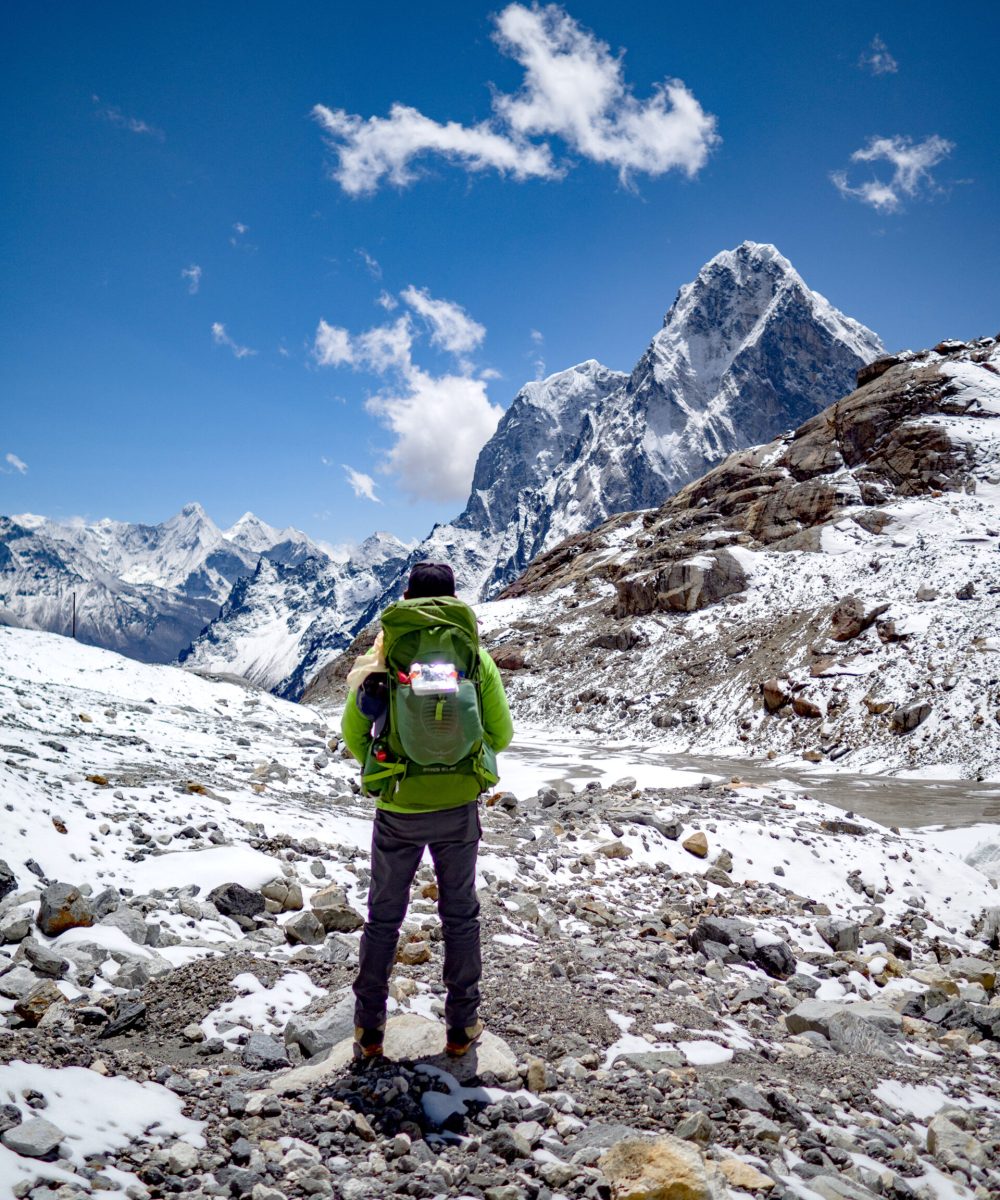
The complete guide Ama Dablam expedition, towering dramatically above the Khumbu Valley at 6,812 meters (22,349 feet), Ama Dablam is one of the most breathtaking and technically challenging mountains in the world. Its distinctive hanging glacier, which resembles a Dablam the traditional necklace worn by Sherpa women has captured the imagination of climbers worldwide.
But make no mistake: Ama Dablam is not just another trekking peak. It's a serious mountaineering challenge that demands respect, preparation, and technical expertise. Many climbers consider it more technically difficult than some 8,000-meter peaks, making it the ultimate test of your climbing abilities.
This comprehensive guide covers everything you need to know from physical preparation and gear requirements to costs and logistical planning. Whether you're dreaming of your first Himalayan expedition or adding another peak to your resume, this guide will help you prepare for the climb of a lifetime.

02Understanding the Challenge: Why Ama Dablam is Different
Technical Difficulty
Ama Dablam is renowned for its technical climbing on rock, snow, and ice. The iconic Southwest Ridge route involves:
- Steep rock climbing (up to 5.7 grade in sections)
- Exposed ridges with significant drop-offs
- The famous "Yellow Tower" a steep rock section requiring technical climbing skills
- The "Dablam" glacier a hanging glacier that requires careful navigation
Unlike many 8,000-meter peaks that are primarily endurance challenges at extreme altitude, Ama Dablam requires genuine technical mountaineering skills throughout the ascent.
Altitude Considerations
At 6,812 meters, the altitude is significant enough to cause acute mountain sickness (AMS) if proper acclimatization protocols aren't followed. The thin air at this elevation means:
- Oxygen levels are approximately 50% of those at sea level
- Physical performance decreases dramatically
- Decision-making can be impaired
The Route: Southwest Ridge
The standard route follows the Southwest Ridge, a stunning line that offers incredible views but demands technical competence at every stage.
03Essential Preparation: Physical & Technical Skills
Physical Fitness Requirements
To tackle Ama Dablam, you need to be in exceptional physical condition. Your training should focus on:
- Running: 3-4 sessions per week, 45-60 minutes
- Cycling or Swimming: Alternative low-impact cardio
- Stair Climbing: Essential for simulating the uphill demands of climbing
- Leg Strength: Squats, lunges, and step-ups with weighted packs
- Core Stability: Planks, Russian twists, and mountain climbers
- Upper Body: Pull-ups, push-ups, and dumbbell rows (for using jumars and ice axes)
- Weekend hikes with a 15-20 kg pack (35-45 lbs)
- Building up to 6-8 hour days with significant elevation gain
Recommended Training Schedule (3 Months Before)
| Month | Focus | Weekly Volume |
|---|---|---|
| Month 1-2 | Build Base Fitness | 4-5 cardio sessions, 2 strength sessions, 1 long hike |
| Month 3 | Peak Training | 5-6 cardio sessions, 3 strength sessions, 2 long hikes with weight |
Technical Skills Required
You should be comfortable with:
- Using Ascenders (Jumars): For fixed rope sections
- Descending with Rappel Devices: For safe descent
- Ice Axe and Crampon Techniques: On steep ice and snow
- Rope Work: Tying knots, belaying, and managing ropes
- Rock Climbing: At least 5.7 grade proficiency
If you lack any of these skills, consider taking a mountaineering course or hiring a guide who can provide additional training during the expedition.
04The Gear Checklist: What You Need to Pack
Clothing System (Layer by Layer)
- Merino wool or synthetic long underwear (top and bottom)
- Merino wool socks
- Fleece or soft-shell jacket
- Insulated pants (for cold days)
- Waterproof/windproof shell jacket (Gore-Tex or similar)
- Waterproof/windproof shell pants
- High-quality down jacket (800+ fill power recommended)
- Insulated belay parka (for summit day)
- Warm gloves + mittens (bring multiple pairs)
- Balaclava or face mask
- Warm hat that covers ears
- Neck gaiter
- Glacier sunglasses (Category 4)
- Ski goggles (for high wind)
Climbing Equipment
- Mountaineering boots (double boots recommended for warmth)
- Crampons (compatible with your boots)
- Ice axe (with leash)
- Climbing harness
- Helmet (UIAA certified)
- 3-4 locking carabiners
- 2-3 non-locking carabiners
- Ascender (jumar)
- Descender/rappel device
- 1-2 prusik cords
- 70-80 liter expedition backpack
- Headlamp with extra batteries
- Sleeping bag (rated to -20°C / -4°F)
- Sleeping pad (insulated)
- Trekking poles
- Water bottles (2L capacity minimum)
- Thermos for hot drinks
"Don't cut corners on your double boots. Cold feet at high altitude can be dangerous and end your expedition prematurely."
05Cost Breakdown & Logistics
Estimated Expedition Costs
| Item | Cost Range (USD) |
|---|---|
| Expedition Fees (guide, permits, logistics) | $7,000 – $15,000 |
| International Flights (to Kathmandu) | $1,000 – $1,500 |
| Domestic Flight (Kathmandu – Lukla) | $300 – $400 round trip |
| Insurance (evacuation coverage) | $500 – $1,000 |
| Gear (if purchasing) | $3,000 – $5,000 |
| Tips for Sherpa/Staff | $500 – $1,000 |
| Total Estimated Cost | $12,000 – $24,000 |
Best Time to Climb Ama Dablam
There are two main climbing windows:
- ✅ More stable weather
- ✅ Warmer temperatures
- ✅ Less objective hazards (avalanche risk lower)
- ❌ More crowded
- ❌ Higher costs
- ✅ Clear skies, spectacular views
- ✅ Good weather windows
- ✅ Less crowded
- ❌ Colder temperatures
- ❌ More variable weather
Permits Required
- ✓Ama Dablam Special Permit: Issued by the Nepal government (cost around $400)
- ✓Sagarmatha National Park Entry Permit: Required for all visitors
- ✓Khumbu Pasang Lhamu Rural Municipality Permit: Local permit
Your guiding company should handle the permit arrangements for you.
06The Journey: From Kathmandu to the Summit
Itinerary Overview (21-28 days)
Days 1-3: Kathmandu Arrival & Preparation
- Arrival in Kathmandu, gear checks, permit processing
- Briefing with expedition team
Days 4-8: Trek to Base Camp
- Flight to Lukla (2,800m)
- Trek through Namche Bazaar, Tengboche, and Pangboche
- Arrive at Ama Dablam Base Camp (4,600m)
Days 9-14: Acclimatization & Rotation
- Rest days and acclimatization hikes
- Climb to Camp 1 (5,700m) and return
- Climb to Camp 2 (6,100m) and return
- Rest and preparation for summit push
Days 15-17: Summit Window
- Move to Camp 1
- Move to Camp 2
- Summit Day! (4-6 hours from Camp 2 to summit)
- Descend to Base Camp
Days 18-21: Descent & Return
- Trek back to Lukla
- Fly to Kathmandu
- Debrief and celebration
07Safety First: Acclimatization & Risk Management
The Acclimatization Strategy
Proper acclimatization is non-negotiable for a successful Ama Dablam expedition. Our "safety-first" approach includes:
- Climb High, Sleep Low: The golden rule of acclimatization
- Rotation Strategy: Climbing to higher camps and returning to lower elevations to sleep
- Diamox: Many climbers use this medication to aid acclimatization (consult your doctor)
- Hydration: Drinking 3-4 liters of water daily at altitude
- Pulse Oximeter Monitoring: Regular oxygen saturation checks
Key Safety Considerations
- ✓Weather Windows: Climbing only when weather forecasts show stable conditions for 5-7 days. Avoiding summit pushes during unstable weather patterns.
- ✓Crevasses: Travel in rope teams on glacier sections. Carry crevasse rescue equipment.
- ✓Altitude Sickness: Recognizing early symptoms (headache, nausea, fatigue). Immediate descent if symptoms worsen.
- ✓Emergency Protocols: Emergency oxygen available at Camp 2. Satellite communication devices. Helicopter evacuation capability.
08Conclusion: Your Ama Dablam Adventure Awaits
Climbing Ama Dablam is one of the most rewarding and memorable experiences a mountaineer can undertake. The combination of technical climbing, stunning Himalayan views, and the sense of achievement upon reaching the summit is truly unparalleled.
But success doesn't happen by accident. It requires months of preparation, the right gear, proper acclimatization, and a commitment to safety throughout the journey.
09FAQs
Do I need prior mountaineering experience?
Yes, Ama Dablam requires previous experience with technical climbing and using mountaineering equipment. Most reputable guiding companies require prior climbing experience on peaks above 5,000 meters.
How hard is Ama Dablam compared to Everest?
Ama Dablam is more technically difficult but doesn't reach the extreme altitude of Everest (8,848m). If you're skilled but want a more technical challenge than Everest's standard route, Ama Dablam is an excellent choice.
Do I need supplemental oxygen?
No. At 6,812 meters, Ama Dablam does not typically require supplemental oxygen for experienced climbers.
What if I need to cancel?
Expedition cancellation policies vary by operator. Always check the terms carefully and consider travel insurance that covers adventure sports.
Can I rent gear in Kathmandu?
Yes, Kathmandu has several shops renting high-quality expedition gear. However, it's recommended to bring your own boots and personal equipment for fit and comfort.
Your Ama Dablam Adventure Awaits
If you're ready to make this dream a reality, we're here to help you every step of the way. Our experienced guides, strong safety protocols, and comprehensive logistics ensure you have the best possible chance of success on this magnificent peak.