If you ask most trekkers to name a route in Nepal, you'll hear the same repeated answers: Everest Base Camp, Annapurna Circuit, and maybe Manaslu Circuit if they've done their research. Almost no one says API it's not under their radar.
That's not an oversight. It's geography. API Himal sits tucked into Nepal's far west, hours past where most trekking infrastructure ends, in a region that sees a fraction of the foot traffic of the Khumbu or Annapurna. And that's exactly what makes it worth talking about.
As we put it on our own trek page: the API Trek is not something you brag about it is something you carry with you quietly. This post is about why.
01Where API Himal Actually Is
API Himal rises to 7,132 meters in Nepal's far-western hills, closer to the Tibetan and Indian borders than to Kathmandu. It's one of the most visually striking peaks in the country a sharp, glaciated pyramid that dominates the skyline of the Darchula region and yet it barely registers in Nepal's trekking conversation.
The reason is simple: access. There's no well-worn teahouse trail here, no decades-old guesthouse network built up around package tourism. Getting to the API region takes longer, the roads are rougher, and the logistics require a level of local knowledge that most operators simply don't have. That's precisely why so few companies run it, and why the ones that do are worth paying attention to.
02What the Trek Actually Looks Like
This isn't a scaled-down version of a trek you already know. Far-west Nepal is culturally and geographically distinct from the routes most trekkers picture when they think of the Himalaya.
Expect:
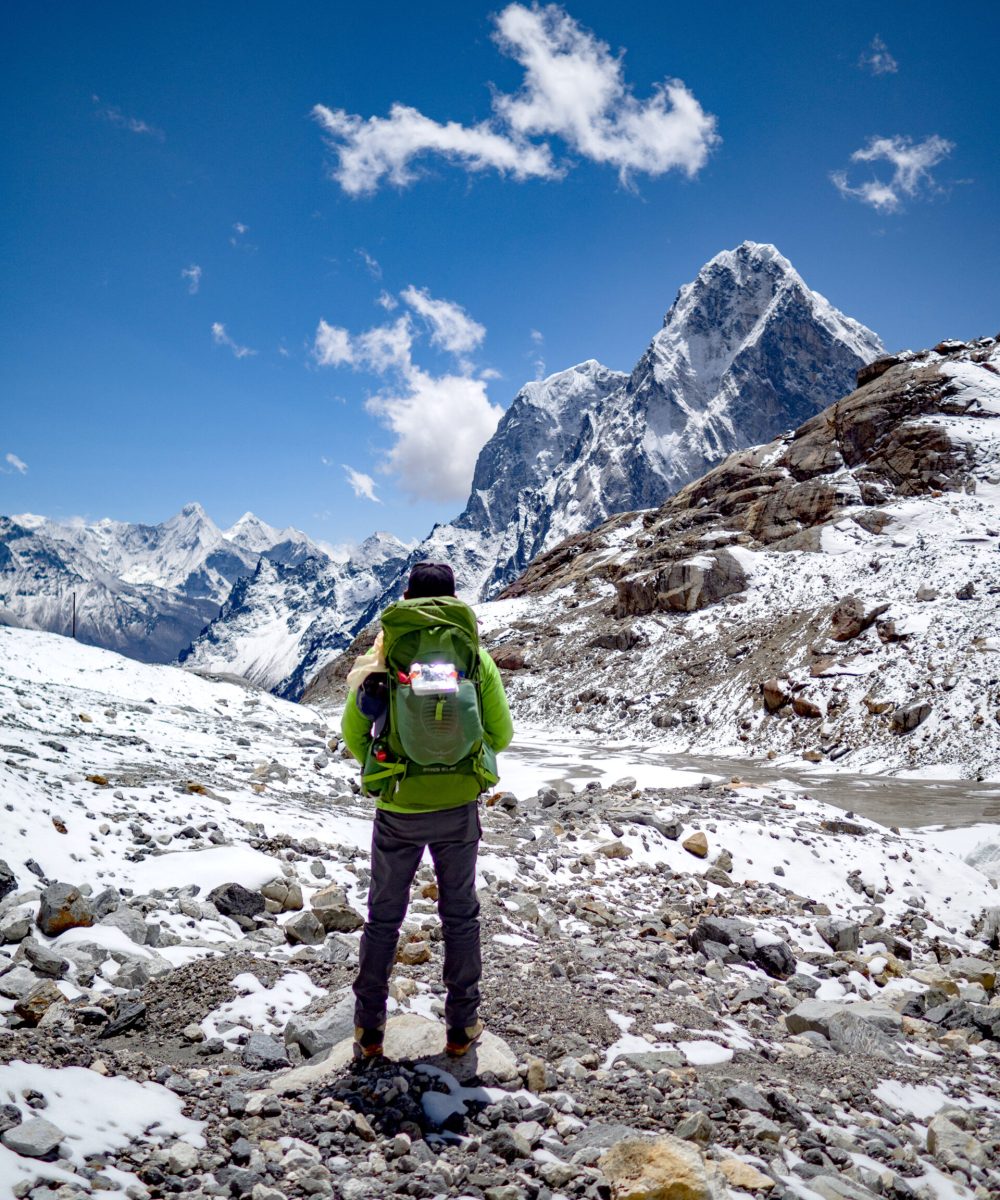
- Terrain that shifts dramatically from mid-hill farmland and forest up into high alpine basins beneath the API-Saipal massif
- Villages that see very few foreign trekkers, where daily life hasn't been shaped by tourism the way it has in Namche Bazaar or Manang
- A slower, quieter rhythm this is not a trek where you're sharing the trail with dozens of other groups at every teahouse
- Genuine remoteness communications, resupply, and evacuation logistics all require more careful planning than on Nepal's "big three" routes
The trek runs 20 days, which puts it in similar territory duration-wise to the Upper Dolpo Trek or Saipal Basecamp Trek Nepal's other far-flung, low-traffic routes rather than anything in the Everest or Annapurna regions.
03How It Compares to a Trek You Might Already Know
If you've looked at the Manaslu Circuit Trek (15 days, central Nepal, a well-established "quieter alternative" to Annapurna), API asks for a longer commitment and a genuine step further off the map. Manaslu still has teahouses built specifically for trekkers and a steady, if smaller, stream of foreign visitors. API doesn't have that yet and depending on what you're looking for, that's either a reason to wait or exactly the reason to go now.
04Why Remoteness Is the Selling Point, Not the Downside
It's easy to read "few trekkers" and "limited infrastructure" as warnings. On this trek, they're the draw.
The appeal of API isn't fixed ropes or a summit certificate it's walking through a part of Nepal that hasn't been shaped around what trekkers expect to see. The culture along the route is unfiltered by tourism in a way that's genuinely rare left in the Himalaya. For trekkers who've already done EBC or Annapurna and are looking for something that feels like discovery again, rather than a checklist, this is that trek.
This is also where a locally-run operator matters more than almost anywhere else. Far-west Nepal isn't a region you can wing with a rented guide picked up in Kathmandu. It requires guides who actually know the villages, the river crossings, and the seasonal conditions specific to that corner of the country which is a large part of why so few operators run it at all.
05Practical Information
- ✓Duration: 20 days
- ✓Region: Far-West Nepal
- ✓Permits: Required for the restricted far-western districts, arranged as part of the trek package not something to sort out independently
- ✓Best season: Pre-monsoon (spring) and post-monsoon (autumn), consistent with most high-altitude Nepal trekking far-west conditions can vary from the Khumbu/Annapurna weather patterns, so it's worth confirming exact windows with your operator
- ✓Fitness level: Suited to trekkers with prior multi-day high-altitude experience, given the remoteness and longer daily stages
06Thinking Further: The API Peak Expedition
For trekkers who reach API Basecamp and want to go beyond it, the API Peak Expedition climbs the mountain itself a 7,132m summit push in the same Annapurna-massif technical bracket as Tilicho. It's a natural next step for trekkers who've done the approach and want the full expedition experience on a future trip.
If far-west Nepal's remoteness appeals to you but you want an alternative route through the same region, the Saipal Basecamp Trek covers similarly untouched terrain nearby.
07Is API Right for You?
This trek isn't for someone looking for their first Himalayan trekking experience, and it isn't for someone chasing crowds, comfort, or a well-marked trail. It's for trekkers who've built up some high-altitude experience already and want to spend three weeks somewhere that most people including most Nepal-based operators have never been.
"Quiet, remote and largely untouched: API is what's left of the Himalaya before it became a checklist."
Book the API Basecamp Trek
Or get in touch to talk through whether it's the right fit for your experience level.