Close
The API Basecamp Trek isn’t something you brag about. It’s something you carry with you quietly. You don’t go there for a medal or a Instagram shot; you go because somewhere along the long, bumpy jeep ride past terraced hills and sleepy villages, you stop caring about the itinerary and start noticing small things the way smoke curls from a tea house chimney, the sound of prayer flags in a wind that feels older than you.
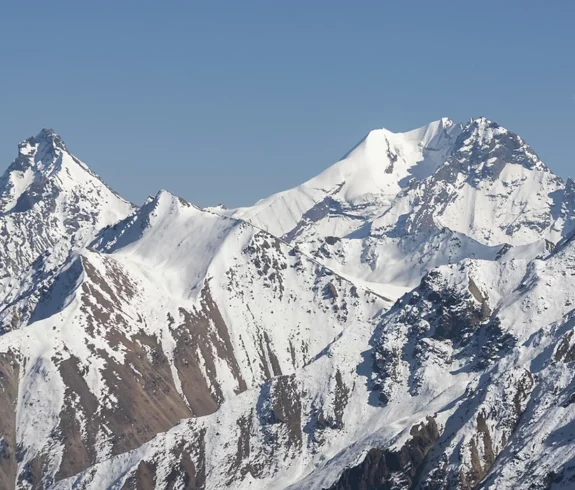
The trail is rough, the nights are cold, and you’ll probably ask yourself more than once why you didn’t pick an easier trek. But then you round a bend and Api is just there not shouting, just standing. And for a moment, you forget to take a photo. You just breathe. Later, back home, you won’t remember the sore legs or the bad sleep. You’ll remember a cup of sweet tea shared with someone whose name you’ve already forgotten, and how the mountains made you feel small not insignificant, just part of something bigger. That’s the API trek. It doesn’t try to impress you. It just stays with you.

(Overnight altitude: 1,350m) You land at Tribhuvan International Airport, and your adventure begins immediately. Our expedition team will greet you and transfer you to a comfortable 4‑star hotel. This afternoon we dive straight into a full expedition briefing, equipment inspection, medical checks, and logistics review. By the end of the day, you’ll feel organised, informed, and excited for what lies ahead.
(Overnight altitude: 150m) A short but spectacular 50‑minute domestic flight takes us west to Nepalgunj, the lowland gateway to far west Nepal. This bustling market town feels a world away from Kathmandu. We’ll overnight here, making final preparations before deploying into the remote Humla region.
(Overnight altitude: 2,900m) Another quick flight just 35 minutes lands us in Simikot, the true beginning of the wild. Here we meet our local support team, mule operators, and load systems. After a thorough pack‑up, we take our first steps on the trail: a 3‑4 hour trek to Hepka Khola. The air feels different already.
(Overnight altitude: 2,700m) Today we trek 5‑6 hours along the legendary Karnali river system. The trail winds through remote villages and terraced farmlands that have changed little in centuries. We lose a little altitude, but the immersion into local life is worth every step. Camp is set beside the river the sound of rushing water lulls us to sleep.
(Overnight altitude: 3,010m) A longer day 6‑7 hours but full of rewards. We pass through traditional Bhotia and Thakuri settlements, each with its own character. The highlight is Yalbang Monastery, one of the largest in Humla. Spin the prayer wheels, enjoy the peaceful atmosphere, and then push on to our camp near the monastery.
(Overnight altitude: 3,690m) Now the real climb begins. A steady 7‑8 hour ascent takes us to Chala. The landscape opens up dramatically, and the first grand views of Saipal and the surrounding Himalayan ranges appear on the horizon. You feel small in the best possible way.
(Overnight altitude: 4,000m) We trek for 7 hours through the remote Karang Valley system. The trail is rugged, the air thin, and the silence profound. By the time we reach Labuk Devsa at 4,000m, we are firmly in true alpine expedition terrain. Tonight’s camp feels like the roof of the world.
(Overnight altitude: 3,900m) Today is a major expedition objective. We cross the high Sankya La pass beneath remote glacier terrain 7‑8 hours of challenging, exhilarating movement. The pass offers staggering, 360‑degree views of ice and rock. Then a controlled descent to Rani Kharka, where we camp at 3,900m. This is a day you will never forget.
(Overnight altitude: 4,000m) A 6‑7 hour trek brings us into the very shadow of Saipal East Face. We explore the Nun Kharka Glacier Lake, walk alongside the Saipal East Face Glacier, and wander through an alpine basin that feels untouched by time. This is as close as we get and it’s breathtaking.
(Overnight altitude: 4,000m) We’ve built in a spare day for weather, recovery, or just giving our bodies a little more time at altitude. Use it to practise leadership exercises, explore the glacier forefield, or simply rest and take photos. Flexibility is the secret to successful expeditions.
(Overnight altitude: ~3,500m) Gravity becomes our friend again. A 7‑8 hour controlled descent through alpine terrain brings us to Dharamsala. The views are just as spectacular in reverse, and the thicker air feels wonderful.
(Overnight altitude: 4,000m) We recross high terrain beneath the Sankya La system. It’s a 6‑7 hour trek that feels familiar now, but no less beautiful. We camp again at Labuk Devsa, closing the loop on our high‑altitude traverse.
(Overnight altitude: 2,700m) A longer descent today 7‑8 hours through forest and past remote villages. The trail gradually widens, and the sounds of rushing rivers return. We camp at Salli Khola, where we stayed on Day 4. It feels like coming home.
(Overnight altitude: 2,580m) Another 7‑hour trek, this time along the lower Karnali valley system. The landscape shifts from deep gorges to wider, cultivated valleys. Dharapori is a small settlement with a friendly lodge a welcome change from tents.
(Overnight altitude: 2,900m) A last 5‑6 hour walk brings us full circle to Simikot. The trail winds through the same hills we first descended, but now every ridge and village carries memories. We check into a proper lodge, enjoy a hot meal, and celebrate the end of the trekking phase.
(Overnight altitude: 150m) A 35‑minute flight extracts us from the Humla region. Back in Nepalgunj, the heat and bustle feel almost foreign. We check into a hotel, take long showers, and start processing everything we’ve just experienced.
(Overnight altitude: 1,350m) One final domestic flight 50 minutes returns us to Kathmandu. This evening we hold a full expedition debrief, share photos, and officially close the adventure. A farewell dinner is a must.
Your expedition complete, we transfer you to Tribhuvan International Airport for your flight home. The mountains will stay with you long after you leave Nepal. Until the next trail.
Because a great trek is about much more than following a trail.
Our guides provide:
Most importantly, they help you experience Nepal in a way that would be difficult to achieve on your own.
Many guests tell us that their guide became one of the most memorable parts of their journey.
We are not a mass-market tour operator.
We are a Nepal-based expedition company built around authentic experiences, professional leadership, and responsible adventure travel.
Our philosophy is simple:
Experienced certified guides.
Strong safety standards.
Meaningful cultural connections.
Real Himalayan experiences.
We believe the best expeditions are measured not only by where you go but by how deeply you experience the journey.
We use cookies to improve your experience on our site. By using our site, you consent to cookies.
Manage your cookie preferences below:
Essential cookies enable basic functions and are necessary for the proper function of the website.
These cookies are needed for adding comments on this website.
Statistics cookies collect information anonymously. This information helps us understand how visitors use our website.
Google Analytics is a powerful tool that tracks and analyzes website traffic for informed marketing decisions.
Service URL: policies.google.com (opens in a new window)
You can find more information in our Cookie Policy and Privacy Policy.