
Close
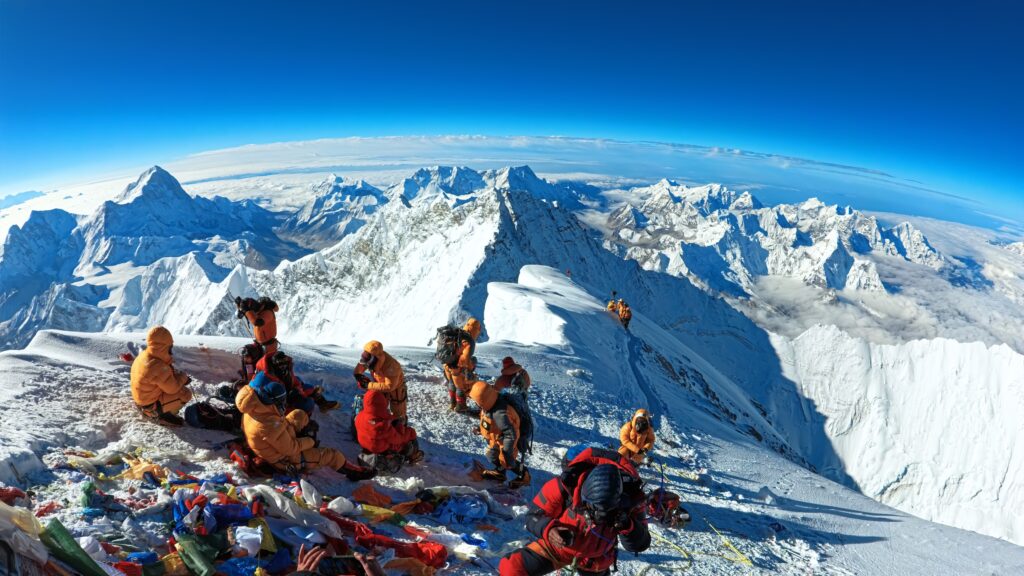
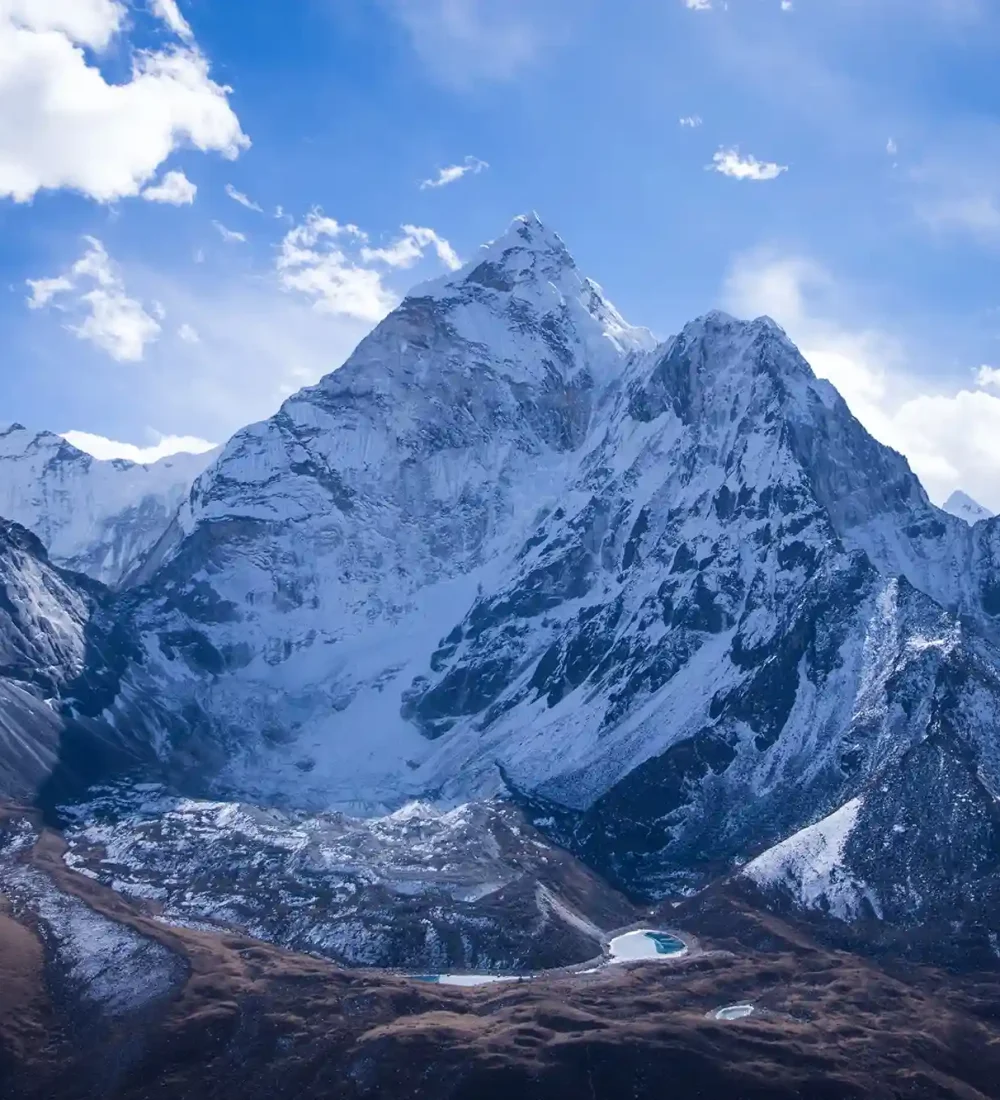
Everest Expedition is the ultimate mountaineering challenge, drawing climbers from across the globe to stand atop the highest point on Earth. Towering at 8,848.86 meters (29,031.7 feet) in the Khumbu region of Nepal, Mount Everest has captivated the imagination of adventurers since its first successful ascent in 1953 by Sir Edmund Hillary and Tenzing Norgay. Everest Elevation represents the pinnacle of human achievement and endurance the very ceiling of our planet. Everest Expedition requires climbers to navigate the treacherous Khumbu Icefall, the vast Western Cwm, and the perilous Death Zone above 8,000m where the human body cannot sustain itself without supplemental oxygen. Everest Elevation pushes the limits of human physiology, with oxygen levels dropping to approximately one-third of those at sea level. Everest Expedition is not for the faint-hearted it demands exceptional physical fitness, advanced technical skills, and unwavering mental resilience. Everest Elevation is the ultimate test of human spirit and determination.
Everest Expedition has a storied history of triumph and tragedy that spans over a century. The mountain was first identified as the highest peak in the world in 1856, named after Sir George Everest, the British Surveyor General of India. Everest Elevation remained unconquered for nearly a century until 1953, when Hillary and Norgay made history via the South Col route. Everest Expedition has since evolved with over 300 successful summits recorded annually in recent years, though the mountain continues to claim lives with approximately 300 fatalities to date. Everest Elevation is approached through two main routes the South Col route from Nepal and the North Ridge from Tibet. Everest Expedition requires climbers to make multiple rotations through four high camps, with Camp IV at the South Col (7,906m) serving as the final launching point for the summit push. Everest Elevation has been conquered by climbers of all ages, from 13-year-old Jordan Romero to 80-year-old Yuichiro Miura, demonstrating the mountain’s enduring allure.
A high level of physical fitness and advanced mountaineering experience is essential for the Everest Expedition. Climbers must have prior experience on at least one 7,000-meter peak and possess strong ice climbing, fixed-rope, and crevasse rescue skills. Everest Elevation demands that climbers be comfortable with the use of supplemental oxygen systems, as the Death Zone above 8,000m offers only 30% of the oxygen available at sea level. Everest Expedition involves multiple acclimatization rotations through Camp I (6,065m), Camp II (6,400m), and Camp III (7,200m) to allow the body to gradually adapt to the altitude. Everest Elevation requires careful attention to the physiological signs of high-altitude pulmonary edema (HAPE) and cerebral edema (HACE). Everest Expedition is best undertaken during the spring (April–May) and autumn (September–October) seasons when the jet stream shifts, creating favorable weather windows for summit bids. Everest Elevation demands patience, as climbers often spend weeks waiting for a single perfect day to make the final push.
The Everest Expedition begins with a flight from Kathmandu to Lukla, followed by a trek through Namche Bazaar, Tengboche, Dingboche, and Lobuche to Everest Base Camp at 5,364m. Upon arrival at Base Camp, the Sherpa team establishes the route through the Khumbu Icefall the most dangerous section of the climb using ladders and fixed ropes to navigate the shifting glaciers and deep crevasses. Everest Expedition then progresses through Camp I and Camp II in the Western Cwm, a glacial valley surrounded by the towering peaks of Everest, Lhotse, and Nuptse. Everest Elevation challenges climbers on the Lhotse Face, a 1,125-meter wall of blue ice leading to Camp III. From Camp III, Everest Expedition ascends to the South Col (Camp IV) at 7,906m, where climbers rest before the summit day push. Everest Elevation reaches its culmination on summit day a 10–12 hour ascent from the South Col to the summit, passing the Balcony, South Summit, and the Hillary Step, before finally standing atop the world. After summiting, climbers descend back to Camp IV and continue down to Base Camp. Everest Expedition concludes with the realization that conquering Everest Elevation is not just about reaching the top it is about the journey, the camaraderie, and the profound connection to one of the most powerful places on Earth. Everest Expedition changes you forever. Everest Elevation awaits the bold.

Arrival in Kathmandu & Transfer to the Hotel
UNESCO sightseeing, checking up gear and briefing
Kathmandu to Ramechhap by Drive
From Ramechhap we take Lukla flight and trek to Phakding
We trek from Phakding to Namche
We trek from Namch to -Everest view point, khumchung and Khunde and return back to Namche (Acclimatization Day)
We trek from Namche to Pangboche
We trek from Pangboche to Dingboche
We trek from Dingboche to Lobuche High camp
We push for Lobuche-summit and back to Lobuche High Camp
We trek from Lobuche to Everest base camp.
From Base Camp we start our rotation (Base Camp - Camp I - Camp II - Camp III and back to Base Camp) - Duration 16 Days
From Base Camp we start our Summit Push (Camp I to Camp IV - Summit and Back to Base Camp) - Duration 17 Days
We trek from Base camp to Pangboche
We trek from Pangboche to Namche
We trek from Namche to Lukla
We take a flight from Lukla to Kathmandu via Ramechhap
We chill and go for shopping in Kathmandu and a farewell party
Fly back Home
We use cookies to improve your experience on our site. By using our site, you consent to cookies.
Manage your cookie preferences below:
Essential cookies enable basic functions and are necessary for the proper function of the website.
These cookies are needed for adding comments on this website.
Statistics cookies collect information anonymously. This information helps us understand how visitors use our website.
Google Analytics is a powerful tool that tracks and analyzes website traffic for informed marketing decisions.
Service URL: policies.google.com (opens in a new window)
You can find more information in our Cookie Policy and Privacy Policy.